7 Key Factors Influencing How Much 50 BMG Ammo Costs
Finding affordable .50 BMG ammo can be a real challenge, especially with prices that seem to jump without warning. Many shooters feel frustrated trying to balance quality and cost, wondering why some rounds are so expensive.
You’re not alone—ammo pricing is influenced by a complex mix of factors that can feel overwhelming.
Your .50 BMG ammo costs are influenced by factors like raw material prices for brass, powder, and primers, along with manufacturing methods that affect efficiency and quality.
Legal regulations and tariffs can add to costs, while market demand and supply fluctuations push prices higher during shortages or peak seasons.
Packaging choices, branding, and distribution channels also play a role.
Production volume and technological innovations can lower costs.
To understand how each factor impacts your ammo prices, keep exploring these key influences.
Key Takeaways
- Raw material costs and sourcing influence ammunition pricing, especially for brass, powder, and primers. These materials can vary in price depending on availability and quality.
- Manufacturing efficiency and automation help reduce production costs, which in turn affects the final price of the ammo.
- Legal regulations, licensing, and import tariffs add expenses for producers, impacting retail prices for consumers.
- Market demand, supply fluctuations, and resource scarcity drive price changes and can lead to premiums on certain calibers.
- Packaging, branding, and distribution strategies influence costs and the perceived value of the ammo.
How Raw Material Costs Impact .50 BMG Ammo Pricing
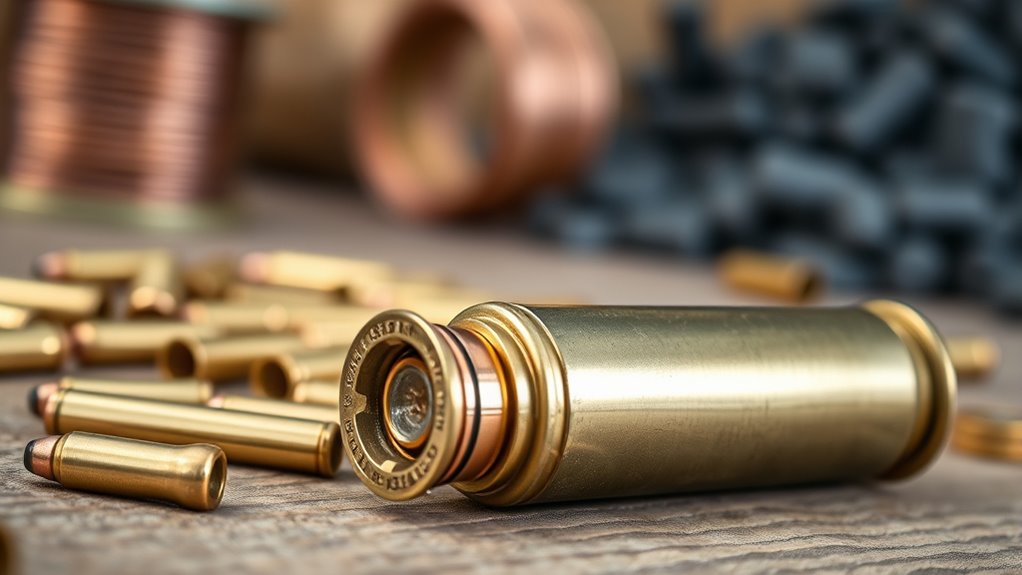
Raw material costs play a big role in setting the price of .50 BMG ammunition. The cost of sourcing materials like brass, powder, and primers directly impacts your total expenses. If raw material prices go up because of market changes or limited supply, ammo prices tend to rise.
Raw material costs significantly influence the price of .50 BMG ammunition, with market shifts causing prices to fluctuate.
On the flip side, finding reliable and affordable sources helps keep prices steady. Production efficiency also matters—streamlined manufacturing reduces waste and labor costs, which can lead to lower prices. When you optimize sourcing and production, you’re better equipped to control costs and avoid unnecessary price hikes.
Staying on top of raw material market trends can help you anticipate price changes. This allows you to make smarter buying decisions. Ultimately, balancing sourcing and production efficiency determines how affordable or expensive .50 BMG ammo becomes for you.
Managing these factors well ensures a steady supply without excessive cost increases.
What Manufacturing Processes Determine Ammo Costs
Manufacturing processes play an essential role in determining the cost of .50 BMG ammunition. Your choice of manufacturing techniques directly impacts production efficiency, which in turn affects costs.
Advanced methods like automated loading and precision machining reduce labor and waste, helping manufacturers produce ammo faster and more consistently. High-quality materials and meticulous quality control increase costs but guarantee reliability and safety, which some manufacturers prioritize.
Conversely, less precise techniques may lower expenses but risk inconsistencies that lead to rejections or safety issues. The complexity of the process, from casing formation to primer seating, influences the overall expense.
Efficient production lines optimize throughput and minimize downtime, decreasing per-unit costs. Consequently, the balance between sophisticated manufacturing techniques and production efficiency plays a critical role in determining the final price of .50 BMG ammo.
Understanding these processes helps explain why some rounds are more expensive than others.
How Legal Regulations Affect .50 BMG Ammunition Prices
Legal regulations can really influence how much .50 BMG ammunition costs. For example, licensing fees and permit requirements can add extra expenses for manufacturers, which might get passed down to consumers.
Plus, import restrictions and tariffs can make it more expensive to get supplies from other countries. All these regulations combined can directly affect the prices you see when you’re buying ammunition.
Licensing and Permit Costs
Because of strict licensing and permit requirements, getting the approvals to purchase or sell .50 BMG ammunition can significantly raise its cost. Licensing fees are usually high, reflecting the level of regulation involved.
These fees vary by location but typically include application costs, background checks, and renewal charges. Permit requirements add more complexity, forcing you to navigate bureaucratic processes that can cause delays and increase expenses.
While these rules are meant to control access, they also make the ammo more expensive. Following licensing and permit laws takes time and money, which companies and individuals often pass on to buyers, making the ammunition pricier overall.
Import Restrictions and Tariffs
Import restrictions and tariffs add extra costs to .50 BMG ammunition, especially if you’re looking for international sources or overseas manufacturers. Strict import policies and customs fees can make sourcing more difficult.
Trade agreements can either make it easier or harder to get your hands on ammunition, depending on diplomatic relations. International laws also come into play, often imposing restrictions that can raise prices or delay shipments.
These regulations create sourcing challenges, forcing you to navigate complex legal landscapes and higher costs at customs. As a result, you might experience longer wait times and increased expenses, which directly affect the final price of .50 BMG ammunition.
Staying informed about these legal factors helps you anticipate cost changes and plan your purchases accordingly.
Why Market Demand and Supply Drive Prices
Your costs are affected by how much 50 BMG ammo is out there and how many folks are after it. When there’s less supply or more people want it, prices usually go up pretty fast. It’s kind of like a game of supply and demand, you know?
Getting a handle on these ups and downs can really help explain why prices can change so suddenly. It’s all about how many guns are ready to shoot and how many bullets are available to buy.
Supply Fluctuations Impact Prices
Fluctuations in supply can significantly affect the cost of 50 BMG ammunition, especially when market conditions change unexpectedly. Disruptions like raw material shortages or delays in manufacturing can reduce stock levels and push prices up.
Market volatility makes prices unpredictable as suppliers react to shifting conditions. When supply drops unexpectedly, demand often exceeds what’s available, leading to sharp price increases.
On the other hand, too much supply can drive prices down. As a buyer, it’s important to keep an eye on these supply changes because they directly impact your costs.
Even small disruptions in the supply chain can cause big swings in prices. This shows just how sensitive 50 BMG ammo prices are to shifts in market stability and supply availability.
Demand Variations Affect Costs
When market demand for 50 BMG ammo rises, prices tend to go up, especially if supply stays limited. Consumer preferences really matter here, as more interest from shooters, collectors, or military contracts can push prices higher.
Seasonal trends also play a role. For example, hunting seasons or shooting competitions often boost demand, which can lead to increased costs. If demand exceeds supply, sellers know they can charge more since buyers are willing to pay a premium.
On the flip side, when interest drops or seasonal activity slows down, prices usually fall. Keeping an eye on these demand changes helps you understand why prices might spike unexpectedly and why buying 50 BMG ammo can sometimes cost more at certain times.
How Packaging, Branding, and Distribution Influence Cost
Packaging, branding, and distribution greatly impact the overall cost of 50 BMG ammo. Your choice of packaging design influences not only production expenses but also how customers see your product.
Premium packaging can boost perceived value, which might increase costs. On the other hand, cost-effective designs help save money without sacrificing quality.
Strong branding builds loyalty, encouraging customers to buy again. This can justify charging higher prices and helps establish your product’s reputation.
Effective marketing strategies reinforce your brand image and can boost demand. They’re key to making your ammo stand out in a competitive market.
Distribution channels also matter. Going direct to consumers may cut out middlemen and reduce costs, while wholesale or retail routes add layers and expenses.
Think about these factors: packaging design’s cost and perception, building brand loyalty for premium pricing, choosing the right distribution channels, and using marketing to strengthen your brand.
Being strategic with these elements helps control costs and improves your product’s position in the competitive 50 BMG ammo market.
Why Rarity and Production Volume Matter
Rarity and production volume directly influence the cost of 50 BMG ammo because limited supplies and small-scale manufacturing typically drive prices higher. Rarity impact is substantial—ammo produced in small quantities or from scarce resources commands a premium, as fewer units are available to meet demand.
When production volume is low, production efficiency decreases, making each round more expensive to produce. Limited production runs often mean higher setup costs and less optimized manufacturing processes, which also increase costs.
Conversely, mass-produced ammo benefits from economies of scale, lowering the per-unit cost. The rarity impact intensifies if certain calibers are hard to source or require specialized materials, further driving prices up.
Can Technology Advances Reduce Ammo Costs?
Advancements in technology can significantly reduce the costs of producing 50 BMG ammunition. Automation helps streamline manufacturing, cutting labor costs and boosting precision.
Technological advancements lower production costs through automation, increasing precision and reducing labor expenses in ammunition manufacturing.
Using advanced materials can also save money by reducing waste and making components last longer. Digital tracking improves inventory management, which means fewer delays and less overproduction.
Manufacturing innovations like 3D printing enable quick prototyping and cost-effective small-batch runs. To take advantage of these benefits, manufacturers are focusing on:
- Automated production for efficiency and consistency
- Advanced materials that lower costs and extend component life
- Supply chain optimization for faster, more reliable sourcing of raw materials
- Investing in research and integrating new technologies to develop cutting-edge manufacturing solutions
Frequently Asked Questions
How Do Geopolitical Events Influence .50 BMG Ammo Prices?
Geopolitical events can significantly impact .50 BMG ammo prices by disrupting supply chains and boosting market demand.
When tensions rise or conflicts happen, manufacturers might face delays or shortages, which then pushes prices up.
You’ll notice prices fluctuate more during these times because the supply chain gets strained and people tend to stockpile ammunition.
All these factors come together to make .50 BMG ammo more expensive during uncertain geopolitical moments.
What Role Do Import Taxes Play in Ammunition Costs?
Import taxes, like import duties, directly impact how much you pay for .50 BMG ammo. When countries impose higher import duties, it increases the overall cost, passing those tax implications onto you.
These taxes make international shipments more expensive, so if you’re buying from abroad, expect to pay more. Conversely, lower import duties can reduce costs, making ammo more affordable.
Always consider import taxes when budgeting for your ammunition needs.
How Do Counterfeit or Counterfeit-Resistant Measures Affect Pricing?
Counterfeit detection measures can increase ammo prices by up to 15%, as manufacturers invest in advanced security features. These measures, like holograms or unique markings, add to production costs but help ensure quality and authenticity.
You’ll notice that brands with stricter security often charge higher prices. That’s because they’re investing in preventing counterfeits and making sure you get reliable performance for your safety and satisfaction.
What Is the Impact of Environmental Regulations on Manufacturing Costs?
Environmental regulations increase manufacturing costs by prompting stricter compliance measures, which can slow down production efficiency and disrupt the supply chain.
You might find that complying with new standards requires investing in cleaner technology or additional safety procedures, raising expenses. These costs are often passed on to you as a consumer, making 50 BMG ammo more expensive.
Ultimately, tighter environmental rules can lead to higher production costs and influence pricing dynamics.
How Do Resale Markets Affect the Overall Price of .50 BMG Ammo?
Think of resale markets like a rollercoaster—market demand and resale trends cause the ride to spike or dip. When demand for .50 BMG ammo goes up, prices climb as collectors and shooters chase limited supplies.
Conversely, if resale trends slow down, prices tend to drop. You’ll see that fluctuations in the resale market directly influence overall prices, so keeping an eye on these trends can help you anticipate costs better.
Conclusion
Just as Da Vinci’s brushstrokes reveal intricate artistry, understanding these factors uncovers the craftsmanship behind .50 BMG ammo costs. By grasping how raw materials, regulations, demand, and technology intertwine, you gain insight into the true value of each round.
Remember, the price reflects more than just a commodity. It echoes the complex dance of supply and demand, innovation, and regulation. These elements all contribute to the final cost of 50 BMG ammo.
So, next time you see that price tag, think of it as a masterpiece forged by countless unseen hands. The cost of 50 BMG ammo isn’t just about the bullet—it’s about the intricate process behind it.