7 Factors That Affect How Much .22 Ammo Costs
If you’re into shooting or hunting, you’ve probably noticed how quickly .22 ammo prices can add up. Many people struggle with finding affordable options without sacrificing quality. You’re not alone; keeping costs low while staying prepared is a common challenge.
The cost of .22 ammo is mainly affected by supply chain issues, raw material prices, and production limits. Manufacturing techniques, like automation and quality control, also influence prices. Brand reputation and quality standards can make some options more expensive.
Market demand, seasonal fluctuations, and geopolitical events impact supply and prices, too. To get the best deal, consider shopping during sales or promotions.
Keep exploring to uncover more tips on saving money on your ammo purchases.
Key Takeaways
- Raw material prices for lead, copper, and brass play a big role in how much it costs to make ammo and what you pay for it.
- Supply chain issues and limits on production capacity can cause prices to go up or down pretty quickly.
- Changes in regulations and safety standards add to manufacturing costs, which can push ammo prices higher.
- Seasonal demand, like during hunting seasons, can influence both the price and how easy it is to find ammo.
- The reputation of the brand and its quality standards also matter. Premium brands usually charge more for their products.
What Factors Most Influence the Cost of .22 Ammo?
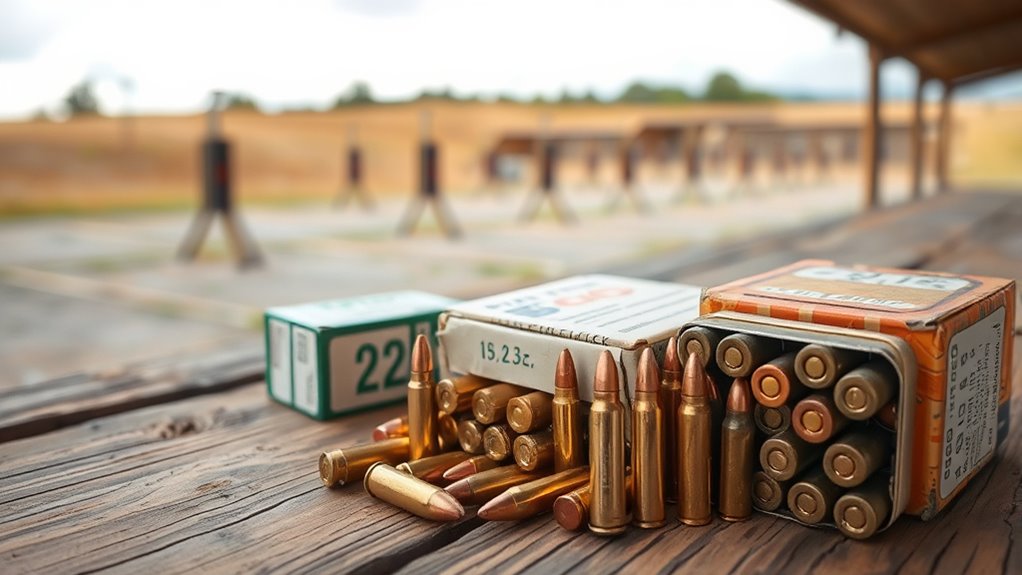
Several key factors directly impact the cost of .22 ammunition. The supply chain plays an essential role; disruptions or delays can increase prices as raw materials or components become scarce.
Your ammunition costs are also influenced by production capacity. If manufacturers can’t meet demand due to limited facilities or labor shortages, prices tend to rise.
Regulatory changes, such as new safety standards or import restrictions, can add expenses to manufacturing and distribution, passing higher costs onto you.
Furthermore, economic conditions like inflation or fluctuations in raw material prices directly affect ammo prices. When costs for metals or other materials increase, manufacturers often raise prices to maintain profit margins.
How Do Manufacturing Processes Impact Ammo Prices?
Manufacturing processes directly impact the cost of .22 ammo by determining how efficiently each round is made. How well factories streamline operations, cut waste, and automate tasks all play a role.
A smooth supply chain is key. When raw materials arrive on time and at a fair price, it helps avoid delays and extra costs.
Here are three main factors that shape ammo prices through manufacturing:
- Automation Level: More automation cuts labor costs and speeds up production, which lowers overall costs.
- Supply Chain Management: Efficient sourcing keeps materials available and prevents shortages, helping to keep prices stable.
- Quality Control: High standards reduce defects and rework, saving money over the long run.
All these elements together influence how much it costs to produce .22 ammo and, ultimately, what you pay at the store. Streamlined manufacturing means lower prices for consumers.
Why Do Material Costs Affect the Price of .22 Ammo?
Material costs play an essential role in determining the price of .22 ammo because the raw materials directly influence production expenses. The cost of materials like lead, copper, and brass varies based on their sourcing.
If suppliers raise prices or if material sourcing becomes more expensive due to geopolitical issues or scarcity, your ammo costs go up. Production techniques also impact material costs. More advanced or efficient techniques might reduce waste and lower expenses but often require significant upfront investment.
Conversely, outdated or less efficient methods can increase material waste and drive costs higher. When raw material prices fluctuate or supply chains face disruptions, manufacturers must adjust their prices accordingly.
This interplay between material sourcing and production techniques directly affects the final cost you pay for .22 ammo. Staying aware of these factors helps explain why ammo prices can change suddenly, even if demand and brand quality stay the same.
How Do Brand and Quality Variations Change Ammo Prices?
Your choice of brand and the quality standards they uphold greatly impact the price of .22 ammo. Well-known brands with strong reputations often charge more because consumers trust their quality assurance. Conversely, lesser-known brands might offer cheaper options, but their reliability can vary.
Trusted brands charge more for consistent quality; cheaper options may compromise reliability and safety.
Consider these factors:
- Brand reputation: Established brands like Federal or CCI often command higher prices due to consistent performance and reliability.
- Quality assurance: Premium brands invest in rigorous testing, ensuring better accuracy and fewer malfunctions, which raises costs.
- Manufacturing standards: Higher-quality brands use superior materials and more precise manufacturing processes, driving up the price but ensuring consistency.
In essence, a reputable brand with strict quality assurance will typically cost more, but you gain confidence in your ammo’s performance and safety. Lower-cost options may save money upfront but could lead to issues during shooting.
What Market Trends and Demand Fluctuations Affect Ammo Costs?
Market trends and shifts in demand play a big role in shaping ammo prices, often causing fluctuations over short periods. When competition heats up, prices can drop as suppliers try to attract buyers.
But during high seasonal demand, like hunting season or shooting sports peaks, prices tend to go up. Economic factors like inflation or employment rates influence how much people are willing to spend on ammo.
Changes in what consumers prefer, such as more interest in target shooting or self-defense, also affect demand levels. Supply chain disruptions and inventory levels matter too; shortages or delays can lead to higher costs.
Regulatory changes, like new laws on ammo sales, can restrict supply and cause prices to rise. Overall, these market trends and demand fluctuations are a complex mix of factors that impact the cost of .22 ammo, making prices vary based on current economic and industry conditions.
How Do Geopolitical Events Impact Ammo Prices?
Geopolitical events can significantly impact ammo prices by disrupting supply chains and changing global trade dynamics. When tensions rise, countries may tighten trade rules, making it harder and more expensive to import raw materials and finished goods. This often leads to shortages and higher costs for manufacturers, which you’ll notice at the checkout.
Here are three main ways these events influence prices:
- Supply Disruptions: Conflicts or sanctions can block the flow of essential materials used in ammo production, causing shortages.
- Trade Regulations: New tariffs or export restrictions increase costs for manufacturers, leading to higher retail prices.
- Market Uncertainty: Political instability makes prices more volatile, so suppliers may hike prices to hedge against risk.
In short, geopolitical tensions directly affect how much you pay for .22 ammo, with prices fluctuating based on global political developments. Staying informed about international events helps you anticipate these changes.
Tips to Budget and Find Affordable .22 Ammo
If you’re looking to save some cash on .22 ammo, one of the best tricks is to hunt for bulk purchase deals. Buying in larger quantities usually lowers the cost per round, which is a huge plus if you shoot regularly.
Don’t forget to shop around—check both local stores and online retailers to see who’s offering the best prices. Sometimes, online deals can be much cheaper, especially when you factor in shipping costs.
And hey, keeping an eye out for sales is always smart. Planning your purchases around special promotions or discounts can help you stock up without breaking the bank.
Seek Bulk Purchase Deals
Looking for ways to save money on .22 ammo? One effective method is to seek bulk purchase deals. Buying larger quantities often means you can get better discounts through bulk deals and wholesale options.
To maximize your savings, consider purchasing a big box or case directly from manufacturers or suppliers. This way, you can take advantage of wholesale prices.
Joining shooting clubs or online forums that organize group buys can also help you score better deals. Plus, keep an eye out for sales and promotions that offer discounts on bulk orders.
These strategies help you lower the cost per round, making shooting more affordable. By focusing on bulk discounts and wholesale options, you ensure you’re getting the best value while keeping your ammo supply steady.
Compare Local and Online Prices
Comparing local and online prices is a smart way to stretch your budget and find the most affordable .22 ammo. Local pricing can be convenient, letting you see prices firsthand and avoid shipping fees.
However, online stores often offer significant discounts, making their prices more competitive. Take the time to check both options regularly. Local shops may have occasional deals, while online retailers often run promotions.
Keep in mind that shipping costs can affect online savings, so be sure to include those in your comparisons. By actively monitoring both sources, you can spot the best deals and make smarter buying choices.
Whether you buy locally or online, this approach helps you get the most for your money and keeps your shooting hobby budget-friendly.
Time Purchases During Sales
Timing your purchases to coincide with sales can really help you save on .22 ammo. Keep an eye out for seasonal discounts and promotional events to get the best deals.
Here are three tips to help you buy smarter:
- Sign up for store newsletters so you get early alerts on upcoming sales and discounts.
- Plan your purchases around holiday sales or seasonal promos when prices usually drop.
- Follow online ammo retailers and firearm forums for real-time updates on flash sales and special deals.
Frequently Asked Questions
How Does the Availability of .22 Ammo Influence Its Price?
When the supply chain for .22 ammo hits snags or shortages, its availability drops, and prices go up.
If market demand keeps climbing but supply stays tight, prices get even higher. You’ll notice this when shopping—low supply and high demand push costs up.
Keeping an eye on supply chain issues and market trends can help you predict price changes. That way, you can plan your ammo purchases smarter.
Do Seasonal Changes Affect .22 Ammo Costs?
Absolutely, seasonal demand and weather impact your wallet. When hunting season kicks off or shooting ranges fill up, prices skyrocket because more people are buying.
Harsh weather can delay shipments, making ammo scarce and more expensive. So if you’re hoping to find a bargain, it’s best to avoid peak seasons and storms—unless you like paying a premium while Mother Nature plays her part in the ammo market chaos.
How Do Government Regulations Impact Ammo Pricing?
Government regulations greatly influence ammo pricing through regulatory impact and pricing dynamics. When new laws or restrictions are introduced, manufacturers face higher compliance costs, which often get passed on to consumers.
These regulations can also limit supply or change manufacturing processes, leading to shortages and price spikes. As a result, you might notice ammo prices fluctuate based on regulatory changes.
That’s why it’s important to stay informed about policy updates that could impact the industry.
What Role Do Import Tariffs Play in .22 Ammo Costs?
Import tariffs greatly influence the cost of .22 ammo by adding extra charges on foreign-made products, making them more expensive for you. When trade agreements are in place, tariffs often decrease or are eliminated, lowering prices.
Conversely, if tariffs increase or trade agreements change unfavorably, ammo costs rise. So, your ammo prices can fluctuate based on these trade policies, directly impacting how much you pay at the store.
Does the Type of Firearm Affect the Price of .22 Ammo?
Your firearm’s caliber, brand reputation, and specific model directly influence .22 ammo prices. A high-quality or popular firearm often demands premium ammo, which can raise costs.
On the other hand, a basic or lesser-known firearm might use standard or economy-grade ammunition, making it cheaper. The type of firearm determines the ammo’s specifications, which in turn affects the price.
Conclusion
Understanding what influences .22 ammo costs can help you make smarter buying choices. Did you know that during peak demand, prices can jump by up to 50%? Keeping an eye on manufacturing trends, brand quality, and geopolitical events can help you anticipate these price swings.
Staying flexible with your purchases and following market news is key. This way, you’ll be ready when prices dip, saving you money in the long run. Knowing these factors about .22 ammo costs puts you in a stronger position to get the best deals.