What Is Eye Relief on a Rifle Scope and Why Does It Matter?
Struggling to find the perfect rifle scope setup that feels comfortable and safe? You’re not alone—many shooters face issues with eye strain, poor visibility, or even scope injuries during their sessions.
Eye relief on a rifle scope is the distance between your eye and the ocular lens that lets you see the full view clearly. It’s important for safety, comfort, and accuracy because proper eye relief prevents scope eye injury, reduces eye strain, and helps you quickly acquire your target.
Whether fixed or adjustable, your eye relief needs to suit your shooting style and setup.
Keep going to explore how to optimize it for better shooting performance.
Key Takeaways
- Eye relief is the distance between your eye and the scope needed for a clear, full sight picture.
- Proper eye relief helps prevent scope eye injury from recoil and keeps you safe while shooting.
- It also impacts how well you see your target, focus, and reduces eye strain or fatigue during long shooting sessions.
- You can choose fixed or adjustable eye relief options based on your shooting stance and personal preferences.
- Correct eye placement improves your accuracy, consistency, and makes shooting more comfortable overall.
What Is Eye Relief on a Rifle Scope?
Eye relief on a rifle scope is the distance between your eye and the eyepiece where you can see the full, clear view through the scope. This distance depends on the scope’s design, especially the eyepiece, and can vary from model to model.
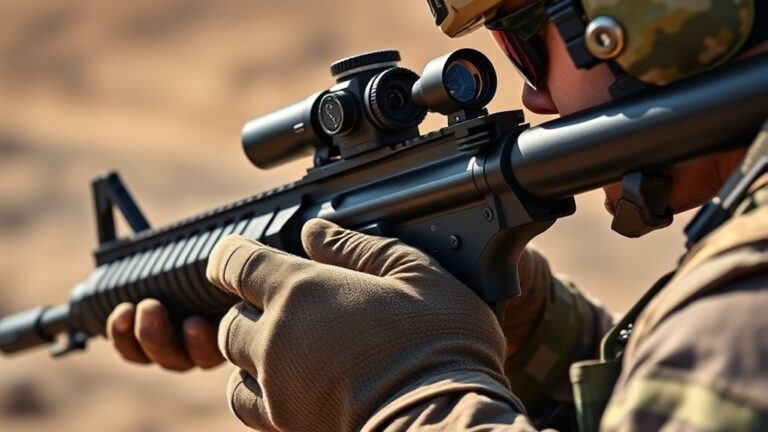
Your shooting stance affects how you maintain proper eye relief. For example, a prone position might mean positioning your head differently than when you’re standing.
Your stance influences how you position your head for optimal eye relief and clear sight through the scope.
If your eye is too close or too far from the scope, you’ll get vignetting or a restricted view. Knowing the right eye relief for your scope helps prevent eye strain and ensures you don’t lose sight of your target.
Adjusting your head to match the scope’s specifications makes shooting more comfortable and consistent. Proper eye relief is key for accuracy, comfort, and safety during shooting.
Why Proper Eye Relief Is Key for Shooting Safety and Comfort
Maintaining proper eye relief is essential for safe and comfortable shooting. It ensures you see the full scope image without risking injury or discomfort.
When your eye is too close, you risk scope eye, which is a painful injury caused by the scope’s recoil.
If your eye is too far back, you lose sight of the target, which can compromise safety.
Proper eye relief also makes shooting more comfortable and less tiring.
It reduces strain on your eyes and improves your target view.
Maintaining the right position helps you stay natural and steady while shooting.
It prevents fatigue during long shooting sessions and keeps your face safe from recoil impact.
How Eye Relief Affects Accuracy and Target Acquisition
Having the correct eye relief directly impacts your shooting accuracy and how quickly you can acquire your target. When your eye is at the proper distance from the scope, your target focus stays clear, helping you line up your shot precisely.
If your eye relief is too short or too long, you might struggle to keep a consistent sight picture. This can lead to missed shots or reduced accuracy. Your shooting stance also plays a big role; a stable stance makes it easier to find and hold the right eye relief.
Proper eye relief ensures you don’t have to strain or adjust your head position repeatedly. This streamlines target acquisition and helps you aim more confidently. Consistent eye relief improves your shooting rhythm, especially during rapid shots or long sessions.
Fixed vs. Adjustable Eye Relief: Which Is Better for Your Shooting Style?
Are fixed and adjustable eye relief scopes suited for different shooting styles? The answer depends on your needs and preferences.
Fixed eye relief scopes have a set distance between your eye and the scope, offering simplicity and consistent eye positioning. They’re great if you shoot from a stable platform or prefer quick target acquisition.
Adjustable eye relief scopes, on the other hand, let you change the distance. This provides flexibility for different shooting positions, making them better for dynamic scenarios or if you wear glasses.
Consider these points:
- Fixed eye relief offers simplicity and quick target focus.
- Adjustable eye relief provides versatility for various shooting postures.
- Your shooting style, whether prone or standing, influences which is better.
Choosing between fixed and adjustable eye relief depends on your shooting habits and comfort. Both options serve different purposes, so pick what aligns with your style for peak performance.
How to Find Your Ideal Eye Relief for Better Shooting Performance
Finding your ideal eye relief starts with understanding how it impacts your shooting accuracy and comfort. The right distance between your eye and the scope ensures a clear, full image without blackouts or strain.
Start by positioning your eye at a comfortable distance from the scope, then adjust until the reticle appears sharp and centered. Your best position will let you see the entire field of view without moving your head too much.
Position your eye comfortably, then adjust until the reticle is sharp and centered for optimal view.
Keep in mind that your eye relief might change based on your shooting stance or equipment changes. Experiment with small adjustments by moving your head slightly forward or backward until the image is crisp and steady.
Finding that sweet spot improves accuracy, reduces fatigue, and makes shooting feel more natural. Make sure to check and adjust your eye relief regularly to stay at peak performance during different shooting sessions.
Common Problems Caused by Wrong Eye Relief and How to Fix Them
When your eye relief isn’t quite right, you might find yourself feeling a bit of eye strain or discomfort while shooting. This can really throw off your focus and make it harder to aim accurately. Plus, if your eye is too close to the scope, there’s a higher chance of accidentally injuring yourself or damaging your gear.
Luckily, fixing this is usually pretty straightforward. Just adjusting the scope or your shooting position can make a big difference. Getting the right eye relief helps you shoot more comfortably and with better precision, making your overall experience much more enjoyable.
Eye Strain and Discomfort
Incorrect eye relief can cause a lot of eye strain and discomfort, making it tough to stay focused during long shooting sessions. This often happens because of improper positioning, which can lead to strained eyes or headaches.
To help reduce this discomfort, try these solutions:
- Adjust your scope to find the perfect eye relief so you get a clear, full sight picture.
- Use eye relief extenders if needed to create a more comfortable distance.
- Take regular breaks to rest your eyes and prevent fatigue.
Increased Risk of Injury
Poor eye relief can significantly increase your risk of injury, especially if your scope is too close or too far from your eye.
When the eye relief isn’t set correctly, you might accidentally hit the scope with the rifle’s recoil, which can cause serious eye injuries. This makes shooting unsafe.
If the scope is too close, recoil could cause the scope to strike your face. Too far, and you might lose sight of your target or even lose control of your firearm.
Getting the proper eye relief is crucial to prevent injuries. Adjusting your scope so it fits your eye position reduces the chance of contact with moving parts during recoil.
This keeps you safer and helps you follow safe shooting practices. Proper scope setup is essential for shooting without injury.
Reduced Shooting Accuracy
Misaligned eye relief not only raises safety concerns but can also directly impair your shooting accuracy. When your eye isn’t properly aligned with the scope, it’s harder to maintain a consistent shooting stance and trigger control.
This misalignment can cause you to shoot off target or experience parallax issues. To fix this, focus on adjusting your rifle’s scope to find the right eye relief. Make sure you have a clear, full sight picture.
Maintaining a consistent shooting stance is key. It keeps your eye in the same position relative to the scope every time. Practice trigger control without shifting your head so your eye stays aligned during each shot.
Keeping proper eye relief improves accuracy and makes shooting safer and more comfortable.
Tips for Adjusting Your Scope’s Eye Relief Correctly
Looking to get your scope’s eye relief just right? The first step is to find that sweet spot where you can see the full, clear reticle without any strain. Just make sure your head and body are in a comfortable, safe position before you start tweaking anything. Once you’re in a good spot, check that your scope is aligned properly. This will help you keep consistent eye relief and make your shots more accurate overall.
Proper Eye Placement
Making sure proper eye placement is essential for a clear and consistent sight picture through your rifle scope. To do this, focus on maintaining a proper stance and ideal posture. Here are three tips:
- Keep your head aligned with the scope, avoiding craning or tilting.
- Position your eye so it’s centered behind the ocular lens, not too close or far.
- Maintain a stable, comfortable stance with relaxed shoulders to support steady aiming.
Adjust your head and body until you find the sweet spot where your eye naturally lines up with the scope’s eye relief. This helps prevent eye strain and guarantees the full field of view, making your shot more accurate.
Adjusting Position Safely
Adjusting your scope’s eye relief safely is important for both comfort and accuracy. Start by keeping a stable shooting position and avoid sudden movements.
Always adjust the scope while pointing your rifle in a safe direction. Use proper positioning, like aligning your eye comfortably with the scope’s exit pupil, to prevent strain or injury.
Make small adjustments to the scope’s position, keeping your face at a consistent distance. Never force the scope or lean in aggressively, as this can cause injury or throw off your aim.
Confirming Correct Alignment
Once you’ve set your scope’s position, confirming that your eye aligns correctly with the exit pupil is key to consistent shooting. Proper alignment techniques guarantee you get a clear, full image each time.
To verify your scope adjustments:
- Position your eye comfortably behind the scope, avoiding strain.
- Move your head slightly to see if the full field of view remains clear and centered.
- Adjust the scope’s eye relief until the image stays sharp and consistent without blackouts or strain.
If the image shifts or darkens, revisit your scope adjustments and make sure the scope is mounted correctly. Consistent alignment techniques help you maintain proper eye position, which improves accuracy and comfort during shooting.
Properly confirmed alignment makes all the difference in your shooting experience.
How Eye Relief Impacts Scope Mounting and Compatibility
Eye relief greatly influences how you mount your rifle scope and whether it’s compatible with your firearm. Proper scope positioning ensures you stay at a comfortable, safe distance while shooting, helping prevent scope bumping or injury.
Eye relief impacts scope mounting, ensuring comfort, safety, and optimal performance during shooting.
If your scope has short eye relief, you’ll need to be precise with your mounting. You have to position it closer to your eye without risking a scope hit during recoil.
A long eye relief, on the other hand, offers more flexibility. It makes mounting easier and works well for different shooting stances.
When choosing mounts, keep the eye relief in mind. This helps ensure the scope lines up properly with your shooting position.
Improper mounting can cause discomfort, reduce accuracy, and lead to eye strain. Always check that your mounting hardware matches your scope’s eye relief specs.
Adjust ring height or base placement if needed. Paying attention to these details helps ensure your scope is safe, compatible, and performs well during your shooting sessions.
When to Upgrade Your Scope for Better Eye Relief and Performance
Knowing when to upgrade your scope can really make a difference in your shooting accuracy and comfort. If you notice certain upgrade indicators, it’s probably time to consider a new scope for better performance.
First, if you’re experiencing persistent eye strain or having trouble maintaining a full sight picture, your current scope might lack adequate eye relief. It can make a big difference in comfort and quick target acquisition.
Second, when your shots become less consistent or your target acquisition slows down, upgrading can help improve clarity and allow for quicker, more precise aiming. Better optics mean better results.
Third, if you find yourself constantly adjusting your scope or feeling uncomfortable with its positioning, that’s a clear sign your current setup isn’t ideal. Upgrading can fix these issues and boost your shooting experience.
Upgrading your scope ensures you gain performance benefits like improved eye relief, clearer images, and greater comfort. Recognizing these signs helps you make smarter decisions so your gear matches your skill level and needs.
FAQs About Eye Relief: What Every Shooter Should Know
Have you ever wondered why eye relief is such an essential factor when choosing a rifle scope? It directly impacts your comfort and overall shooting experience.
Proper eye relief helps you quickly focus on your target without straining your eye or risking scope contact during recoil. When selecting a scope, consider how adjustable eye relief can improve your technique and help manage recoil, especially during rapid fire or with heavy calibers.
Clear vision depends on maintaining consistent eye relief so your eye stays at the ideal distance from the lens. Regular scope maintenance, like cleaning and checking alignment, also helps preserve eye relief and overall scope performance.
Frequently Asked Questions
How Can Improper Eye Relief Cause Scope Injury?
Improper eye relief can cause scope injury by increasing the chance of the scope’s eyepiece hitting your face during recoil. If you’re too close, the scope might strike your eye or forehead, leading to cuts, bruises, or more serious injuries.
To stay safe and avoid injury, always maintain the correct eye relief. Keep your eye at the proper distance from the eyepiece for safe and comfortable shooting.
Does Eye Relief Affect Scope Brightness or Clarity?
Think eye relief is just about comfort? Think again! It doesn’t directly affect scope brightness or clarity, but it does influence your overall shooting experience.
When you’re too close or too far from the scope, you might miss important details, making it hard to judge clarity. Proper eye relief ensures a full, crisp view so you don’t have to squint at dim, blurry targets.
In short, it’s about sharp sights, not dimmer ones!
Can Eye Relief Influence Recoil Management?
Yes, eye relief can influence recoil management. When you have proper eye relief, you maintain a comfortable shooting position, which helps absorb recoil more effectively.
This improves your shooting comfort and reduces the chance of scope contact during recoil, preventing injuries or scope damage. Proper eye relief also allows for better control, making your shots more accurate and comfortable.
Especially during extended shooting sessions, where recoil absorption is essential, having the right eye relief makes a big difference.
Is Adjustable Eye Relief Necessary for All Shooting Styles?
Adjustable eye relief isn’t necessary for all shooting styles, but it can make a big difference in your comfort and accuracy.
If you’re using fixed eye relief optics, some shooting positions might feel uncomfortable or limiting.
Having adjustable optics allows you to customize eye relief for different positions, which can really boost your comfort and help you see a clearer sight picture.
Whether you shoot from a bench or prone, adjustable eye relief makes it easier to adapt to your preferred style.
How Often Should I Check My Eye Relief Settings?
You should check your eye relief adjustments regularly, especially before each shooting session, to ensure comfort and scope safety.
A quick glance at your scope’s setting can help prevent eye strain and accidental injuries. This keeps your focus sharp and your shots accurate.
Make it a habit to verify eye relief whenever you change your shooting position or gear. That way, your scope stays in good condition and your aim stays on point.
Conclusion
So, next time you ignore your scope’s eye relief, remember—it’s not just about comfort but safety and accuracy too. Proper eye relief ensures a clear, full view of your target without strain or risk.
Ironically, spending a little time adjusting your scope could save you from a painful surprise or missed shot. Don’t let poor eye relief be the silent culprit behind your mishaps.
Adopt the proper setup, and watch your shooting game improve. Because sometimes, the smallest tweaks, like adjusting eye relief, make the biggest difference.
After all, who wouldn’t want to shoot safer and smarter? Proper eye relief on a rifle scope is key to a better, more confident shot.