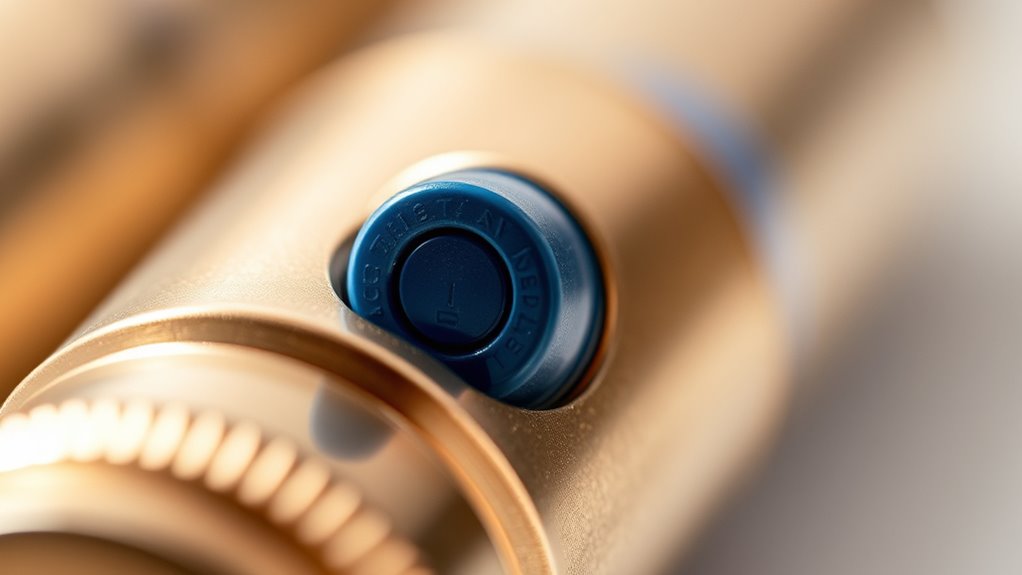
What Is Blue Tip Ammo and How Is It Used?
Many shooters and law enforcement officers know the challenge of quickly identifying different types of ammunition during fast-paced situations. It’s easy to get confused, especially with rounds that look alike.
That’s where blue tip ammo comes in—designed to make your job safer and more efficient.
Blue tip ammo is easily recognizable by its distinctive blue-colored tip, which signals its special purpose, such as training, marking, or non-combat use. It helps you quickly identify rounds during operations or practice, reducing confusion with standard rounds.
Common in military, law enforcement, and training environments, blue tip ammo guarantees safety and proper handling.
If you want to uncover more about its specific applications and safety tips, keep exploring.
Key Takeaways
- Blue tip ammo has a distinctive blue-colored tip, which makes it easy to identify. It usually indicates training or marking rounds.
- It’s mainly used by the military, law enforcement, and in training to tell it apart from standard combat rounds.
- These rounds are mainly for training, marking targets, or signaling, not for actual combat or hunting purposes.
- Handling, storing, and transporting blue tip ammo properly is crucial for safety and to stay within legal guidelines.
- The blue tip helps prevent accidental misuse and makes it easier to identify legally and safely during operations.
What Is Blue Tip Ammo and Why Is Its Color Important?
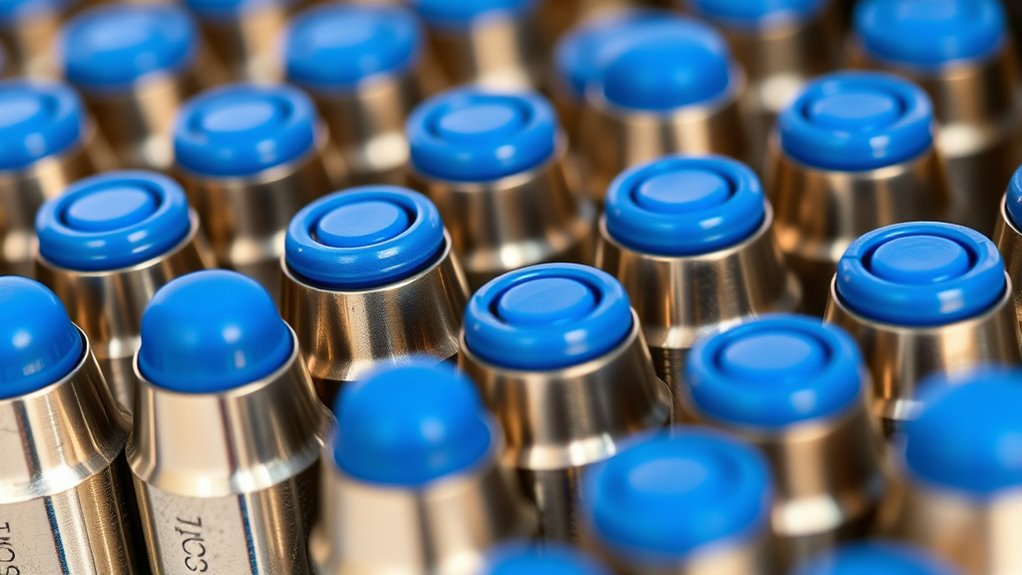
Blue tip ammo is a type of ammunition marked by its distinctive blue-colored tip, which serves as a visual indicator of its specific purpose or characteristics. The color helps you quickly identify the round’s intended use, especially in tactical situations where speed and accuracy matter.
The blue tip signals that the ammunition is designed for specialized applications, such as training, marking, or certain types of target shooting. Knowing the color helps you avoid confusion with standard rounds, ensuring safe and effective use.
In tactical scenarios, this visual cue allows you to distinguish between different types of ammunition at a glance, streamlining decision-making. The color coding improves safety and operational efficiency so you can focus on your objectives without second-guessing the rounds in your firearm.
How Does Blue Tip Ammo Differ From Standard Rounds?
Unlike standard rounds, blue tip ammo is designed with a specific purpose in mind, making it easy to tell apart from regular ammunition. Its color indicates a particular Ammunition Type, often meaning tracers, training rounds, or special purpose loads. The color helps you quickly identify its use and avoid confusion, especially in high-pressure situations.
Key differences include:
- Purpose: Blue tip rounds are usually used as tracers or training ammo, not for everyday combat.
- Design: They might have unique propellants or parts made for specific tasks.
- Identification: The blue tip makes it simple to spot from standard rounds during handling or when in magazines.
- Legal and safety considerations: Knowing the different Ammunition Types ensures proper use and helps with compliance with regulations.
What Are Common Uses of Blue Tip Ammo in Military and Law Enforcement?
You’ll mostly see blue tip ammo used for identification and marking in military and law enforcement missions. It’s a handy way to quickly tell certain rounds apart from others, which can be really useful in the heat of the moment.
Plus, blue tip rounds are also popular for training and practice. They help officers and soldiers easily distinguish their live rounds from dummy or training ammo, making the whole process safer and more efficient.
All in all, these blue tip rounds play a pretty important role when it comes to safety and clarity in various operations.
Identification and Marking
Identification and marking of blue tip ammo are key for military and law enforcement personnel to tell these rounds apart from others. These markings follow strict standards to make recognition quick and easy in the field.
Look for visual cues like the distinctive blue tip, which signals what the round is meant for. Proper markings help prevent mix-ups during operations and training.
There should be a clear blue tip color for instant recognition. Consistent color coding across different manufacturers is also important.
Marks indicating the type and purpose of the round are standard. Standardized codes are used for identification methods to ensure clarity and safety.
Training and Practice
Training and practice with blue tip ammo are essential for military and law enforcement personnel to familiarize themselves with the specific rounds used in operational settings. Using targeted training techniques, you can simulate real-world situations and improve accuracy and response times.
Practice scenarios often incorporate blue tip ammo to help officers and soldiers recognize the rounds quickly, guaranteeing they respond appropriately during missions. These exercises emphasize marksmanship, decision-making, and proper handling of different ammunition types.
Blue tip ammo’s distinctive marking makes it easy to identify during drills, reducing confusion in high-pressure situations. Consistent training with these rounds helps build confidence and ensures personnel are prepared for the precise use of ammunition in various tactical environments.
Why Is Blue Tip Ammo Used for Training and Marking?
Have you ever wondered why blue-tipped ammunition is commonly used for training and marking purposes? It’s because of its clear identification and safety benefits.
Blue tip applications help distinguish training rounds from live ammunition, which reduces the risk of accidents. The bright color makes it easy to recognize spent rounds, ensuring proper handling and disposal.
Using blue tip ammo offers training advantages by providing visual cues that improve safety protocols and accuracy during drills. It also helps instructors quickly identify practice rounds, making training more efficient.
Moreover, blue tip applications assist in marking specific targets or zones, making exercises more organized. This color coding minimizes confusion, especially in busy training environments.
Which Firearms Can Use Blue Tip Ammunition?
Are you wondering which firearms can safely fire blue tip ammunition? Blue tip ammo is usually compatible with firearms designed for the specific ammunition types it’s meant for. It’s most commonly used with rifles and handguns that chamber centerfire cartridges like 5.56mm or .223 Remington.
However, whether a firearm can fire blue tip rounds depends on its caliber and chamber specifications. Always check your firearm’s manufacturer guidelines to make sure it can handle this type of ammo safely.
Blue tip ammo is often used in training rifles or as marking rounds. It’s mainly designed for standard firearms that accept the same caliber and ammo types. Never try firing blue tip rounds in guns not rated for the specific cartridge size or type.
Doing so can cause malfunctions or damage to your firearm. When in doubt, consult your firearm’s manual or ask a professional to confirm if blue tip ammo is safe for your gun.
How Do You Safely Handle Blue Tip Ammo?
Handling blue tip ammo safely is all about using the right techniques and staying cautious. For starters, always keep the ammo pointed in a safe direction — that means avoiding pointing it at yourself or others, even if you think it’s not loaded. It’s also best to avoid touching it unnecessarily; the less handling, the better.
When it comes to storage, make sure you keep your blue tip ammo in a secure, clearly labeled container. Keep it out of reach of children and away from heat sources or any places that could cause it to accidentally ignite. And when you’re transporting it, do so carefully — secure it properly so it doesn’t jostle around or get damaged.
Of course, safety gear is a must. Wear protective glasses and gloves if you’re handling or loading it, and double-check that your firearm is compatible with the blue tip ammo before you use it. Following these simple precautions can go a long way in preventing accidents and keeping everyone safe.
Proper Handling Techniques
To safely handle blue tip ammo, always treat it with the same caution as other live ammunition. Handle it carefully to prevent accidents or damage. When working with blue tip ammo, follow proper handling techniques to guarantee safety. Always keep your fingers away from the primer and avoid dropping or striking the rounds.
Be mindful of proper storage to prevent unauthorized access or deterioration. When transporting, make sure the ammo is secure and protected from impacts. Use designated containers and avoid mixing it with other types of ammunition.
Follow these key practices: store in a cool, dry place away from heat sources, transport in secure, labeled containers, and keep out of reach of children or unauthorized persons. Handle with clean, dry hands to prevent corrosion.
Storage and Transportation
Proper storage and transportation of blue tip ammo are essential for safety and preventing accidents. Use secure storage solutions like locked cabinets, containers, or safes designed for ammunition.
Store your ammo in a cool, dry place away from heat, flames, or moisture. When transporting, choose safe methods such as locked cases or containers, and avoid rough handling.
Never carry ammo loose in your pockets or vehicle compartments. Keep it separate from household chemicals or flammables. Use clearly labeled containers to prevent confusion.
Consider options like lockable ammo cabinets, fireproof safes, plastic ammo boxes, or metal containers. Transport with locked ammo cases or in trunks, and always handle with care.
Remember to keep ammo away from heat sources and store it out of reach of children and unauthorized persons. Regularly check storage for damage and ensure proper packaging.
Safety Precautions
When working with blue tip ammo, safety starts with understanding how to handle it properly. You always need to follow safety measures to prevent accidents and stay aware of the risks involved. Handling this ammunition carefully reduces the chance of misfires or unintended discharge.
Keep these safety tips in mind: Always wear eye and ear protection when handling or shooting blue tip ammo. Store it in a secure, cool, dry place away from heat sources and children.
Avoid dropping or mishandling the ammo to prevent accidental ignition. Make sure you’re familiar with your firearm’s safety features and follow proper loading procedures.
Remaining vigilant and practicing risk awareness guarantees safe handling and minimizes hazards associated with blue tip ammo.
How to Recognize Blue Tip Ammo at a Glance
Ever wonder how to quickly identify blue tip ammo among other rounds? During training scenarios, fast recognition is essential. Look for the distinctive blue tip on the bullet’s nose, which sets it apart from standard ammunition. The color is usually vibrant and easily visible, even from a distance.
Use straightforward identification techniques, like checking the tip color first, before handling or loading. This quick visual cue helps prevent mistakes and guarantees you’re using the right rounds for specific drills.
Familiarizing yourself with this marking during practice will make recognition second nature in real situations. Keep in mind that blue tips often signify specific types of ammunition, so confirming the color’s authenticity is important.
Can You Use Blue Tip Ammo for Hunting? Pros and Cons
Thinking about using blue tip ammo for hunting? It can actually be quite effective for certain types of game, but there are a few things to keep in mind. First off, you’ll want to consider safety and the rules in your hunting area. Not all regions allow special types of ammunition, so it’s a good idea to double-check the regulations before you head out.
You also need to weigh the stopping power of blue tip ammo against any safety concerns. While it can be powerful and accurate, it might carry some risks if not handled properly. Knowing whether it’s permitted in your hunting zone is crucial, because using the wrong ammo could lead to penalties or safety issues.
Getting a good grip on these pros and cons will help you decide if blue tip ammo is the right choice for your hunt. It’s all about finding the right balance between effectiveness and safety!
Effectiveness for Game
Blue tip ammo is designed mainly for tactical and law enforcement use, but many hunters wonder if it’s good for hunting game. Its effectiveness depends on the firearm and the type of game you’re after.
While it offers high velocity and accuracy, its suitability for game varies. It might work well for small to medium animals, but it’s not the best choice for larger ones due to its design.
Keep in mind that it has limited penetration for thick-skinned game and can cause more meat damage. It’s also not optimized for hunting-specific ballistics and may not meet hunting regulations in some areas.
Safety and Regulations
Before deciding to use blue tip ammo for hunting, it’s important to consider safety and local regulations, as they can vary a lot depending on where you are. Making sure you follow the rules helps you avoid legal trouble and promotes responsible hunting.
Safety training is also crucial to handle this specialized ammo properly. It reduces risks for you and others, so take the time to learn the correct handling procedures.
Some areas restrict certain calibers or types of ammo, including blue tip rounds, for hunting. Always check with local authorities before heading out with blue tip ammo to stay compliant.
Here’s a quick comparison to keep in mind:
| Aspect | Details |
|---|---|
| Regulatory Compliance | Rules differ by region; research local laws |
| Safety Training | Necessary for safe handling and usage |
| Allowed for Hunting? | Not always permitted; verify locally |
| Penalties | Fines or license suspension for violations |
Stay informed, follow the rules, and always prioritize safety.
Are There Legal Restrictions on Blue Tip Ammo?
Are there legal restrictions on blue tip ammo? Yes, your legal considerations depend on where you live. Some states and federal laws regulate specific types of ammunition, especially those with unique features like blue tips.
Legislative updates can change the rules, so it’s important to stay informed. Here are some key points to keep in mind:
Certain states ban or restrict armor-piercing or tracer rounds, which may include blue tip ammo. Federal laws also categorize some types of ammunition as restricted or prohibited without proper permits.
You might need to verify local regulations before purchasing or carrying blue tip ammo. Violating these restrictions can lead to fines or criminal charges.
Always check current laws and legislative updates in your area to make sure you’re compliant. Since legislation around ammunition can change quickly, staying informed helps you avoid legal trouble.
How to Choose the Right Blue Tip Ammo for Your Needs
Choosing the right blue tip ammo involves understanding your specific shooting needs and the firearm you’re using. Start by reviewing the ammo specifications, such as caliber, bullet weight, and velocity, to ensure it’s compatible with your firearm.
Think about what you’ll use the ammo for—target shooting, hunting, or self-defense—as each purpose may need different performance features. Comparing different blue tip ammo options can help you see how they perform in accuracy, recoil, and terminal effects.
Choose your blue tip ammo based on target shooting, hunting, or self-defense needs for optimal performance.
Look for reviews or test results that show how each type does in real-world situations. Also, make sure the ammo meets legal and safety standards in your area.
Picking the right blue tip ammo is about balancing these factors to match your firearm’s capabilities and your shooting goals. When you understand your needs and the specs, you’ll be better prepared to choose the best ammo for your situation.
Frequently Asked Questions
Is Blue Tip Ammo Suitable for Civilian Self-Defense?
Blue tip ammo isn’t usually a good choice for civilian self-defense because its legality varies depending on where you live. It might not be designed with self-defense in mind either.
It’s important to check your local laws before choosing any type of ammunition. Generally, blue tip rounds may not be as effective as hollow points or other specialized self-defense rounds.
For reliable protection, it’s best to stick with proven self-defense ammo and make sure you’re following all your area’s regulations.
How Does Blue Tip Ammo Impact Firearm Barrel Wear?
Blue tip ammo can slightly affect your firearm’s barrel longevity because of its higher velocity and penetrating power. This might cause a bit more wear over time, but the impact is usually minimal if you only use it occasionally and keep your gun well-maintained.
Its performance benefits, like consistent accuracy and reliable expansion, often outweigh concerns about barrel wear. Regular cleaning and proper maintenance are key to keeping your barrel in good shape, no matter what type of ammo you use.
Can Blue Tip Rounds Be Reused or Recycled?
Is blue tip ammo a one-and-done deal? Not quite. You can reuse or recycle blue tip rounds, but it’s important to follow proper reloading practices.
Reusing these rounds reduces waste and minimizes environmental impact, making it a smarter choice for eco-conscious shooters. Just make sure your reloading process is precise, as the special tip may affect safety and performance.
Reuse responsibly to keep your shooting sustainable and effective.
Are There Safety Concerns With Blue Tip Ammunition Storage?
Yes, there are safety concerns with blue tip ammunition storage. You should follow proper storage precautions, like keeping rounds in a cool, dry place away from heat sources and moisture.
Handle guidelines recommend storing ammunition separately from firearms and ensuring containers are secure and labeled. Always check for damage before handling, and avoid rough handling or stacking to prevent accidental discharge or damage, which could lead to safety hazards.
What Are the Differences Between Blue Tip and Other Colored Tip Ammo?
Blue tip ammo typically indicates a specific type of bullet, often used for training or military applications, with distinct ballistic performance.
Unlike red or green tips, which may signify different functions like tracer or armor-piercing, blue tips usually denote a standard or practice round.
These distinctions help you quickly identify the ammo’s purpose, making sure you use it safely and appropriately in various military or training scenarios.
Conclusion
Think of blue tip ammo as a signal in the dark, guiding military and law enforcement through training and operations with precision and safety. Its distinct color helps you quickly identify its purpose, much like a lighthouse warning ships of treacherous waters.
Whether for practice or marking, understanding its uses guarantees you’re well-informed. Just as a compass keeps you on course, choosing the right blue tip ammo keeps your shooting experience safe and effective.