Understanding Ammo: What Does It Mean for Beginners?
Many beginners feel overwhelmed when trying to understand ammo. You’re not alone—navigating different types, calibers, and labels can be confusing and even intimidating.
Understanding ammo is essential for beginners to stay safe and make informed choices. It includes knowing the different types of bullets, calibers, and labels, so you select the right rounds for your gun and purpose.
Proper storage and handling prevent accidents, while matching ammo to your firearm guarantees safe operation.
If you want to get a clear grasp of these basics and avoid common mistakes, there’s plenty more to uncover.
Key Takeaways
- Ammo includes bullets, cartridges, and shells that are essential for your firearm to work and stay safe.
- Different types and calibers of ammo are designed for various needs like target shooting, hunting, or self-defense.
- Proper storage and handling are important to prevent accidents, damage, and to keep your ammo usable over time.
- Reading labels helps you find the right ammo that matches your firearm’s specifications and your intended use.
- Choosing good-quality, compatible ammo can improve safety, performance, and your overall shooting experience.
What Is Ammo and Why Is It Important for Beginners?
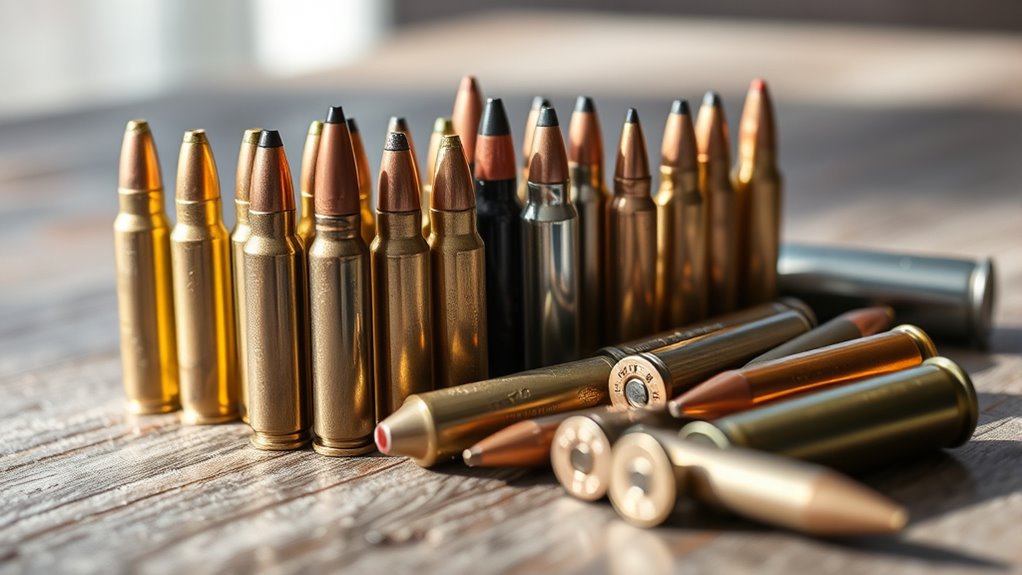
Ammo, short for ammunition, is what you use to fire a firearm, including bullets, cartridges, and shells. Understanding the basics of ammo helps you handle it safely and responsibly.
Safety is key—always keep ammo away from heat, moisture, and children. Proper storage involves using locked containers and keeping ammo separate from your firearms.
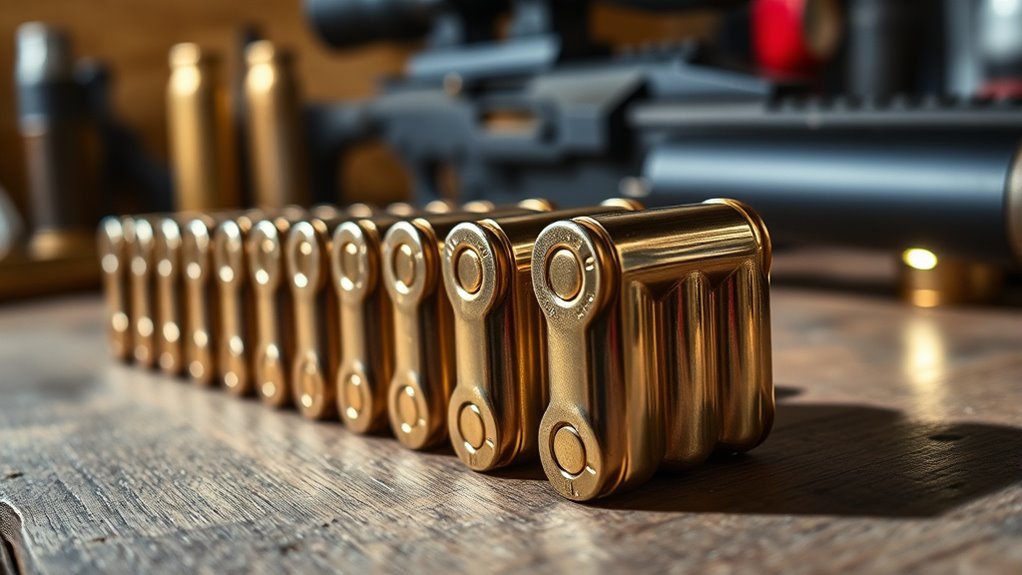
Knowing the components, like the casing, primer, powder, and projectile, helps you pick the right type for your needs. Follow usage guidelines to ensure safety and prevent malfunctions.
When buying ammo, check for quality, read reviews, and be aware of legal rules in your area. Being environmentally conscious also matters, so dispose of ammo responsibly and choose eco-friendly options.
As a beginner, learning these fundamentals builds your confidence and encourages safe handling. This makes your shooting experience enjoyable and keeps you compliant with laws.
Staying informed about safety, legal, and environmental considerations is essential for responsible shooting.
The Different Types of Ammo You Should Know
Understanding the different types of ammunition is key to choosing the right gear for your shooting needs. There are various bullet types, ammo materials, and primer types, each suited for specific purposes.
Knowing your ammunition types helps you choose the right gear for safety and performance.
Bullet Types: Hollow points are popular for hunting because they expand on impact. Full metal jacket (FMJ) rounds work well for target shooting and practice sessions.
Ammo Materials: Brass casings are durable and reusable, making them great for reloading. Steel or aluminum casayings are often used for training rounds at shooting ranges.
Performance Factors and Storage: The primer type influences ignition reliability. Proper ammunition storage keeps your rounds safe and effective. Whether you’re target shooting or hunting, understanding these variations helps you pick ammo that matches your goals, boosts performance, and keeps safety a priority.
Understanding Caliber Sizes and Why They Matter
Understanding caliber sizes is pretty important because they tell you the size and power of your ammo, which directly impacts how your firearm performs. Picking the right caliber isn’t just about what’s popular; it actually helps you shoot more accurately and safely.
On the flip side, using the wrong caliber can lead to all sorts of problems, even damaging your gun. So, getting to know the differences makes it easier to choose the right ammo that matches your firearm and your skill level.
Caliber Size Differences
When choosing the right ammunition, it’s important to understand the differences in caliber sizes. These differences influence firearm compatibility, recoil, and stopping power. Knowing how calibers compare helps you pick the best rounds for your needs.
Caliber sizes vary from small (.22) to large (.50). These differences affect power and recoil, so picking the right size is key. Larger calibers generally deliver more stopping power but also produce more recoil.
Some calibers, like the .30-06, have a long history and are popular for hunting and military use. Recognizing these classic calibers can help you choose the right one for your specific purpose.
Firearms are designed for specific calibers. Using incompatible ammo can be dangerous or just plain ineffective. Always ensure your ammunition matches your firearm’s specifications.
Understanding these differences guarantees you select safe, appropriate ammunition tailored to your firearm and what you want to do with it.
Impact on Shooting Experience
The size of the caliber you choose directly affects how your shooting feels and how comfortable you are during each shot. Larger calibers tend to produce more recoil, which can challenge your recoil management and impact your shooting accuracy.
If you’re just starting out, a smaller caliber may help you develop steadiness and confidence, making each shot more manageable. Conversely, larger calibers can be more rewarding for experienced shooters but might cause fatigue or flinch if you’re not used to the kick.
Your choice influences how quickly you improve, how often you hit your target, and how enjoyable shooting remains. Picking the right caliber guarantees a better overall experience by balancing power, comfort, and precision as you learn.
How to Read Ammo Labels and What They Mean
When you pick up an ammo box, you’ll notice some markings on it. These markings give you important info about the type of round inside. Getting the hang of how to read these labels can really help you pick the right ammo for your gun. So, let’s go over what those markings mean and how to understand them easily.
Decoding Ammo Markings
Decoding ammo markings might seem overwhelming at first, but understanding the labels on cartridges is key to safe and effective shooting. The markings reveal important info like:
- Ammo types and bullet design. This shows whether it’s hollow point, FMJ, or soft tip, which impacts how it performs.
- Cartridge components and manufacturer markings. These indicate the caliber, lot number, and factory details, which are useful for reloading and tracking ammo history.
- Environmental factors and storage tips. Often printed on packaging, these guide you on how to store ammo properly to prevent it from degrading.
Understanding Caliber Labels
Understanding caliber labels is key to picking the right ammo for your gun. These labels show the size and type of bullet, making it easier to compare calibers accurately.
Most labels combine numbers and letters, like 9mm or .45 ACP, which indicate the bullet’s diameter and cartridge design.
To get a better grasp, look at different calibers and their bullet types:
| Caliber | Bullet Type | Typical Use |
|---|---|---|
| 9mm | Full metal jacket | Self-defense, target shooting |
| .45 ACP | Hollow point | Personal defense |
| .223 | Armor-piercing | Varies from plinking to hunting |
| 7.62×39 | Soft point | Hunting, military |
Knowing how to read these labels helps you pick the best ammo for what you need and ensures safe, effective shooting.
The Main Types of Bullets: FMJ, Hollow Point, and More
Different types of bullets serve different purposes, and knowing the main ones can help you choose the right ammunition for your needs. Bullet types vary in performance differences like penetration depth and expansion characteristics, which affect how they behave on impact.
For example:
- Full Metal Jacket (FMJ): Known for deep penetration, FMJs are great for target shooting and reloading options. They’re less likely to expand, making them suitable when maximum penetration is needed. However, they may over-penetrate in self-defense situations.
- Hollow Point (HP): Designed to expand upon impact, hollow points increase stopping power while reducing over-penetration. They’re popular for self-defense but legal considerations can vary depending on where you are.
- Other Types: There are soft points and frangible bullets, each with unique uses and historical contexts. Understanding these differences helps you pick the right bullet type for your firearm and purpose.
Essential Safety Tips for Handling and Storing Ammo
Handling and storing ammo safely is just as important as choosing the right type of bullets. You should always follow safety practices to prevent accidents.
When handling ammo, keep your fingers away from the primer and avoid dropping or mishandling rounds. Wear safety glasses if you’re inspecting or loading magazines.
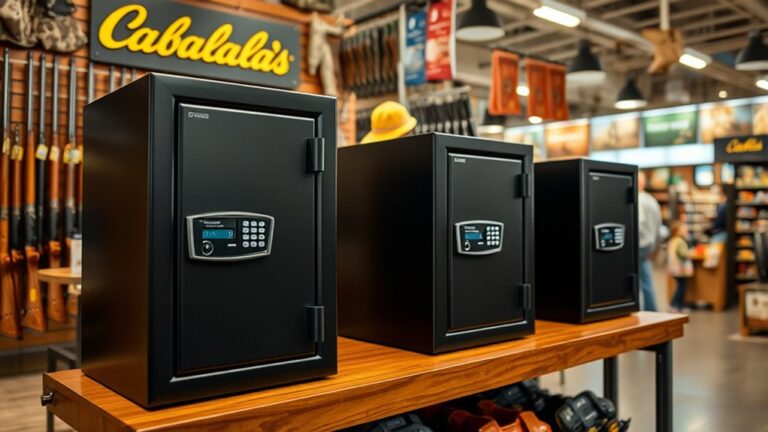
Store ammo in a cool, dry place away from heat, moisture, and direct sunlight. Use dedicated storage solutions like metal safes or lockable containers to prevent unauthorized access.
Keep ammo separate from firearms and out of reach of children. Regularly check storage areas for leaks, corrosion, or damage.
Label containers clearly to avoid mix-ups. Never attempt to modify or disassemble rounds.
How to Choose the Right Ammo for Your Gun and Goals
Want to pick the right ammo for your gun? It really comes down to matching the ammo to your gun’s specs and what you’re aiming to do. Think about your goals—are you just practicing at the range, looking for self-defense rounds, or hunting game? When you choose wisely, you’ll get better accuracy, safer handling, and overall better performance from your firearm.
Match Ammo to Gun
Choosing the right ammo for your gun is essential to guarantee both safety and performance. To verify proper ammo compatibility, you need to match the caliber and cartridge type precisely to your firearm.
Consider these steps:
- Check your gun’s manual for recommended calibers and specifications.
- Verify that the bullet performance suits your intended use, whether target shooting or self-defense.
- Test different brands and loads to find which delivers consistent accuracy and reliable cycling.
Matching ammo to your gun guarantees peak bullet performance and prevents issues like jams or misfires. Using incompatible ammo can damage your firearm or compromise safety. Always confirm the ammo’s specifications match your gun’s requirements before firing to maintain safety and achieve the best results.
Consider Your Shooting Goals
Matching your ammo to your gun guarantees safety and peak performance, but aligning your ammunition choices with your shooting goals takes it a step further. Your shooting style—whether target practice, self-defense, or hunting—determines the type of ammo you need.
For example, precision shooting requires consistent, high-quality rounds, while hunting might call for more powerful loads. Think about your ammo storage too. If you’re stockpiling, pick rounds with stable shelf lives.
Here’s a quick comparison to help visualize:
| Shooting Style | Ammo Type | Consideration |
|---|---|---|
| Target Practice | FMJ | Consistency and affordability |
| Self-defense | Hollow Point | Expansion and stopping power |
| Hunting | Soft Point | Penetration and expansion |
Make sure your choices match your goals for safer, more effective shooting.
Common Beginner Mistakes When Buying Ammo and How to Avoid Them
One common mistake beginners make when buying ammo is not paying attention to the specific caliber recommended for their firearm. This can lead to wasted money and safety concerns. To avoid this, keep these tips in mind:
- Understand common misconceptions about ammo types to prevent buying incompatible rounds.
- Always verify your firearm’s caliber before purchasing, instead of making assumptions.
- Use budgeting tips to plan your purchase, focusing on quality over quantity, especially when just starting out.
Many beginners fall into the trap of buying bulk ammo without checking if it’s compatible or suitable for their needs. This can cause frustration and extra costs. By paying close attention to your firearm’s specs and sticking to a clear budget, you’ll ensure safer, more effective shooting sessions.
Avoid rushing into purchases and take the time to do your research. Making smarter choices now will help you build confidence and avoid common mistakes that can slow your progress.
How to Spot Quality Ammo and Avoid Fake or Subpar Products
While shopping for ammo, it’s important to know how to spot quality products and avoid fake or low-quality options. Start by checking the packaging for clear, professional labeling, including manufacturer details and lot numbers.
Look for consistent casing finish, proper headstamp markings, and well-formed bullets. Stay away from ammo with corrosion, dents, or irregularities, as these can indicate poor manufacturing quality.
To avoid issues with counterfeit products, buy from reputable dealers and verify the authenticity of the branding. Check for security features like holograms or tamper-evident seals on the packaging.
Be cautious of prices that seem too good to be true; genuine quality ammo usually comes at a fair price. By paying attention to these indicators and staying alert for signs of counterfeiting, you can ensure you’re getting reliable, safe ammunition.
Where to Buy Ammo and What to Look For
Finding the right place to buy ammo is key to making sure you get quality products at fair prices. Start by checking out local gun stores or sporting goods shops—they usually have knowledgeable staff who can help you and follow local laws.
When shopping online, look for reputable dealers with good reviews and clear return policies. Keep these points in mind:
- Bulk purchasing: Buying in larger quantities can save you money, but confirm that the seller offers quality ammo and reliable delivery.
- Price comparison: Shop around to find fair prices. Be cautious of deals that seem too good to be true—they might involve subpar or counterfeit products.
- Legal compliance: Always ensure that the seller complies with local regulations and that you’re allowed to purchase and possess certain ammo types in your area.
Frequently Asked Questions
How Does Environmental Impact Affect Different Types of Ammo?
Environmental impact influences ammo choices because lead contamination can harm wildlife and pollute ecosystems. You should consider wildlife safety by avoiding traditional lead bullets, which pose pollution concerns.
Biodegradable options like copper or steel ammo reduce environmental harm and break down more naturally. By choosing eco-friendly ammo, you help minimize pollution and protect wildlife.
This way, you’re supporting responsible shooting practices that promote a cleaner, safer environment for everyone.
Are There Legal Restrictions on Specific Ammo Types in Certain Areas?
You should know that legal restrictions on ammo vary by area, like strict caliber regulations and ammunition bans.
In some places, certain calibers or types of ammo might be prohibited, so it’s important to check local laws before heading to the range.
Imagine the thrill of shooting, but remember, following these rules keeps you safe and within the law.
It also helps you avoid potential fines or having your ammo confiscated.
What Are the Best Storage Methods for Long-Term Ammo Preservation?
To preserve your ammo long-term, store it in airtight containers to prevent moisture from getting in. This helps keep it dry and ready to use when you need it.
Control humidity and temperature by keeping your storage area cool and dry. High humidity speeds up corrosion and shortens the ammo’s lifespan.
Check your supplies regularly and rotate them so nothing gets forgotten or becomes unusable over time. Using desiccants inside containers can also help control moisture.
Proper storage makes sure your ammo stays reliable and effective for years to come.
How Does Ammo Price Vary With Quality and Brand?
Ammo prices vary based on quality and brand reputation. Higher-quality brands often cost more because they go through rigorous quality checks to ensure reliability and performance.
You’ll notice premium brands usually offer better consistency and accuracy, which justifies their higher prices. Cheaper options might save you money upfront but could compromise reliability.
Can Different Ammo Types Be Used Interchangeably in the Same Firearm?
You can’t really swap different ammo types in the same firearm without risking disaster. Even if they seem similar, caliber compatibility is essential; mismatched ammo can cause malfunctions or damage.
Different ammunition performance affects accuracy and reliability, so sticking to your gun’s recommended caliber guarantees safe, ideal results. It’s a classic case of “if it fits, it works,” but in firearms, that’s not always true—choose wisely.
Conclusion
Getting familiar with ammo is like learning to navigate a new city—you’ll find your way faster when you understand the streets and signs.
By knowing the types, calibers, and labels, you’re building a solid map for safe and effective shooting. Remember, choosing quality ammo is like planting a sturdy tree—you’ll enjoy the benefits for years to come.
Stay curious, stay safe, and keep exploring the world of ammo with confidence. Understanding ammo is key to becoming a responsible and skilled shooter.