What Happens When You Put a Switch on a Glock 43?
If you’re into firearms and looking for ways to improve your shooting experience, you’re not alone. Many gun enthusiasts explore modifications to customize their weapons, but some changes can be risky and even dangerous.
When you put a switch on your Glock 43, it turns the semi-automatic pistol into a fully automatic firearm, allowing continuous firing with a single trigger pull. This modification bypasses the gun’s safety features and fire control system, increasing risks of accidental discharges and malfunctions.
Legally, it’s often considered illegal and can lead to severe penalties.
For a deeper understanding of the dangers and legal issues involved, continue exploring what happens when you install a switch.
Key Takeaways
- Installing a switch can turn the Glock 43 into a fully automatic firearm, bypassing the usual safety features.
- Doing this could lead to legal trouble, like charges for making or owning an illegal machine gun.
- The modification makes the gun shoot faster, but it also increases safety risks such as accidental discharges.
- It might also hurt the gun’s performance and reliability because of changes to the trigger and possible mechanical issues.
- Using a switch on a Glock 43 can void the warranty and might result in fines or jail time.
What Is a Firearm Switch and How Does It Work?
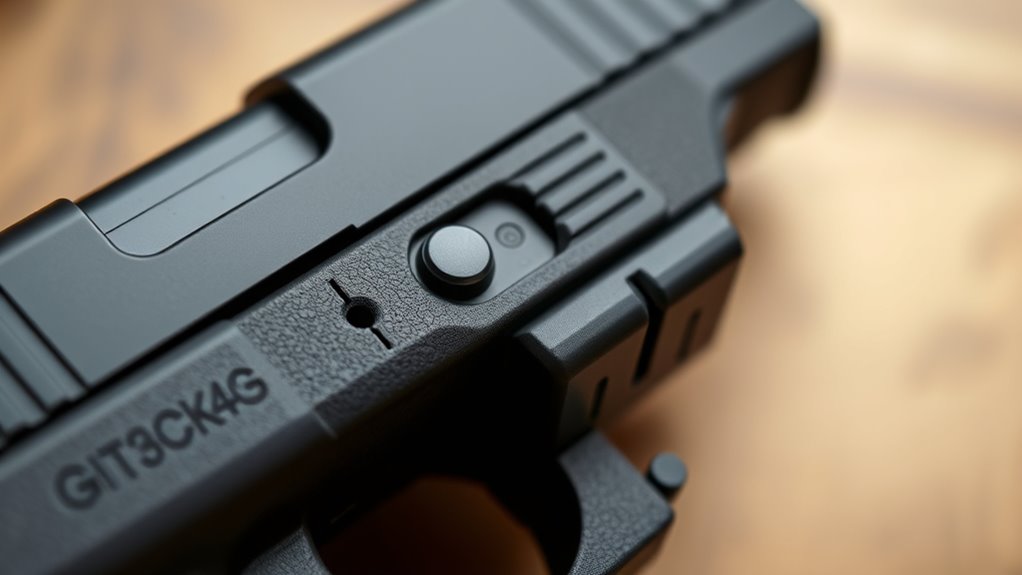
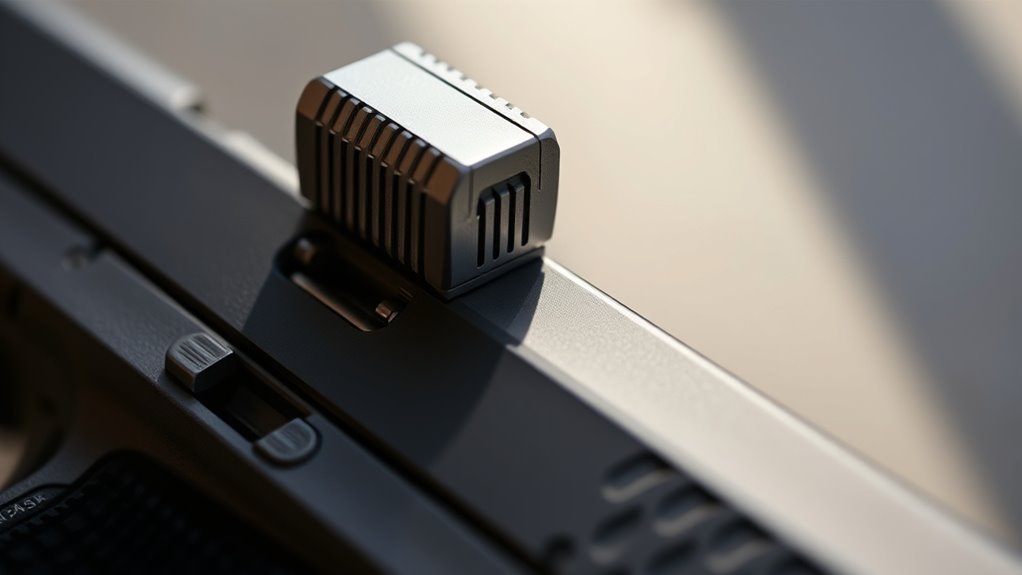
A firearm switch, often called a “switch” or “auto sear,” is a device that changes how a firearm fires. It allows the gun to shoot automatically or in rapid bursts.
This device alters the internal parts of the weapon, making continuous firing possible with just one pull of the trigger. It essentially converts a semi-automatic gun into a fully automatic one.
Switch mechanisms work by bypassing or disabling the firearm’s normal fire control system, which normally needs a trigger pull for each shot. When installed, the switch takes over the firing process directly.
These devices usually connect to the trigger or firing pin, controlling when the gun fires. Because they can turn regular guns into automatic weapons, they are highly regulated and often illegal outside of authorized use.
Understanding how these devices work helps explain their effect on firearm function and the legal issues surrounding their use.
Is Installing a Switch on Your Glock 43 Legal?
Is adding a switch to your Glock 43 legal? The answer depends on where you live and how you use the firearm. In many places, modifying a firearm with a switch can have serious legal consequences.
This is especially true if it turns your gun into a more dangerous or automatic weapon. Laws often prohibit changing firearms to increase firing capacity or convert them into illegal weapons.
Ethically, installing a switch raises questions about responsible gun ownership and safety. Such modifications might make your firearm less predictable or harder to control, which can lead to dangerous situations.
Before making any changes, it’s important to check local, state, and federal laws. Consider the broader legal implications too.
Tampering with a firearm’s functionality could lead to criminal charges, fines, or even losing your gun rights. Always prioritize legality and safety over modifications that might be illegal or unethical.
Safety Risks of Adding a Switch to Your Glock 43
Adding a switch to your Glock 43 greatly increases the risk of accidental discharges because it changes how the firearm’s firing mechanism works. This modification skips over the standard safety features, making it easier for the gun to fire unintentionally if mishandled or dropped.
These risks show why it’s so important to follow strict safety rules and handle your firearm responsibly. If you’re not very experienced with firearm modifications, installing a switch can make it harder to control the gun properly. Responsible ownership means understanding these dangers and avoiding changes that could lead to accidents.
Even small modifications can have big safety impacts. Always prioritize safe handling, proper storage, and careful use of your firearm, especially when making changes. Failing to do so puts you and others at risk of accidents or injuries.
How a Switch Affects Your Glock 43’s Functionality
When you install a switch on your Glock 43, it changes how the firearm works, often bypassing the gun’s built-in safety features. This tweak can significantly impact trigger mechanics by altering how the trigger interacts with the firing system, making it easier or quicker to fire.
Recoil management can also be affected since a switch might increase felt recoil or make it harder to control during rapid shots. The key effects include an altered trigger response that can make shooting more sensitive or unpredictable, and reduced safety features that raise the risk of accidental discharge.
This modification can lead to faster firing because of a changed trigger pull, but it may also make follow-up shots more challenging due to increased recoil or loss of control.
Performance and Reliability: What Changes With a Switch?
Installing a switch on your Glock 43 can significantly impact its performance and reliability. You might notice the trigger becoming more sensitive, which makes firing quicker but also increases the chance of accidental discharges if you’re not careful.
The switch can change how the trigger responds, resulting in a lighter, more immediate pull. This can improve shooting accuracy, but it also requires you to handle the firearm more carefully.
A lighter, more immediate trigger pull can boost accuracy but demands careful handling to ensure safety.
Recoil control might be affected too, as modifications can alter how the gun absorbs and manages recoil during rapid firing. If the switch isn’t installed properly, it could cause malfunctions or inconsistent firing, reducing reliability.
On the flip side, a proper installation can enhance usability, letting you customize the gun to your needs. Just remember, these modifications need careful attention to safety and performance.
Types of Switches Used on Glock 43 and Their Features
There are actually a few different types of switches you can install on a Glock 43, and each one has its own set of features. Some switches are built for quick activation, making it easier to fire rapidly if needed. Others are more focused on safety, helping prevent accidental discharges. And then there are switches designed for customization, so you can tweak your gun to fit your personal preferences.
Getting to know these options can really help you pick the right switch for your specific needs and shooting style.
Types of Switches Available
Several types of switches are available for the Glock 43, each offering different features based on user preferences and safety needs.
When exploring switch types, you’ll find options that vary in their mechanisms, which can affect how the firearm functions and feels.
Some popular choices include traditional toggle switches, paddle switches, and more advanced safety-linked switches.
Toggle switches are simple and reliable, often used for on/off functions.
Paddle switches are easy to operate and allow quick activation.
Safety-linked switches incorporate safety features directly into the switch mechanism.
Electronic switches use digital controls for precise handling.
Choosing the right switch depends on your safety preferences and how you plan to use your Glock 43.
Features of Different Switches
Different switch types on the Glock 43 offer a range of features tailored to various safety and performance needs. The switch mechanics vary based on the switch type, influencing how smoothly and securely the firearm operates.
Some switches feature a simple push-button design, providing quick access but requiring careful handling to avoid accidental activation. Others incorporate safety mechanisms like trigger safeties or manual safeties, adding extra layers of security.
The switch types also differ in their tactile feedback and resistance, affecting how you control the firearm during use. Selecting the right switch type depends on your priorities—whether it’s improved safety, quick response, or ease of use.
Understanding these features helps you optimize your Glock 43’s performance and safety.
Legal and Safety Consequences of Modifying Your Glock 43
Modifying your Glock 43 might seem like a way to customize your firearm, but it’s important to remember that it can come with some serious legal risks. If your modifications don’t follow local or federal laws, you could be looking at fines, penalties, or even more serious legal trouble. So, it’s always a good idea to check the laws in your area before making any changes.
Plus, there are safety concerns to keep in mind. Changing parts or altering the gun’s design can make it more prone to malfunctions or accidental discharges. That’s not just dangerous for you but also for anyone nearby. And if your modifications make your Glock 43 non-compliant with regulations, you could face legal issues, and your firearm might not be considered safe or legal to own or carry. So, it’s worth thinking twice before making any changes.
Legal Risks and Penalties
Putting a switch on your Glock 43 can lead to serious legal consequences if you’re not careful. Modifying your firearm can result in severe legal implications, including criminal charges. Authorities see switch-activated guns as illegal, especially if they turn your pistol into a machine gun or short-barreled rifle.
You could face federal or state felony charges, and your firearm and property might be seized. Fines or imprisonment are also possible. Additionally, it could be harder to get legal firearm permits in the future.
These penalties depend on your location and why you made the modification. Even if you didn’t mean harm, authorities can still prosecute you for illegal alterations. Always check local laws before modifying your firearm to avoid risking criminal charges.
Safety Hazards and Malfunctions
Adding a switch to your Glock 43 can create serious safety hazards that may lead to dangerous malfunctions. When you tamper with the trigger safety, the firearm might fire unexpectedly or fail to fire when needed.
Installing a switch can bypass or disable the built-in trigger safety, increasing the risk of accidental discharges. Malfunction risks also rise because modifications can interfere with the gun’s mechanical integrity, causing jams or misfires.
These issues compromise safe handling and can result in injury or legal trouble if the firearm discharges unintentionally. You might also experience inconsistent firing, making the weapon unreliable.
Compliance and Regulation Issues
Altering your Glock 43 with a switch not only creates safety risks but also brings significant legal and regulatory challenges. You could face serious compliance issues, especially as laws change with updates.
Modifications like adding a switch may cause your firearm to be classified as a machine gun under federal law, which can lead to criminal charges. You also risk losing your legal firearm status, voiding warranties, and facing fines or jail time.
Stay informed about changes in firearm regulations, restrictions on aftermarket modifications, and federal and state compliance laws.
Ignoring these issues can have serious consequences. Always keep up with regulation updates and talk to legal experts before making any modifications to your firearm. This way, you can stay compliant and safe.
Should You Modify Your Glock 43 With a Switch? Factors to Consider
Is modifying your Glock 43 with a switch worth considering? Think about the tactical advantages, like faster firing and easier access in high-pressure situations.
However, weigh the ethical implications carefully. A switch can turn a semi-automatic pistol into a device that fires rapidly, raising serious safety and legality concerns.
Weigh the ethical and legal risks of installing a switch that converts semi-automatic fire into rapid shooting.
If you plan to keep your firearm for self-defense or recreational shooting, consider whether a switch aligns with responsible gun ownership.
Modifying your Glock with a switch might void warranties and violate local laws, which could lead to legal trouble.
Safety should always come first, so assess if the potential benefits outweigh the risks.
Ultimately, this decision involves balancing tactical needs with ethical considerations and legal responsibilities.
Carefully evaluate whether the advantages justify the possible consequences before making any modifications.
What Could Happen If You Install a Switch on Your Glock 43?
Installing a switch on your Glock 43 can cause big changes in how it works, often with serious consequences. Modifying trigger mechanisms with a switch can make the gun fire faster or more unpredictably, which isn’t safe.
This kind of modification can really mess with your shooting accuracy, especially if you’re not experienced with these setups. You might find the gun’s performance becomes inconsistent or frustrating because the switch could cause accidental discharges or misfires.
Some potential issues include increased risk of unintentional firing, reduced reliability of the trigger, difficulty controlling shot placement, and compromised safety features.
Final Thoughts: Making an Informed Decision About Glock 43 Modifications
Before you start modifying your Glock 43, it’s really important to think about safety first. Changing things on your firearm can sometimes impact how it performs, so taking a moment to consider these aspects is crucial. You want to make sure that any modifications you make won’t compromise safety or reliability.
Safety Considerations
When evaluating modifications like adding a switch to your Glock 43, safety should always come first. Changing firearm parts can affect trigger safety and might increase the risk of accidental discharge if not done correctly.
As the user, you’re responsible for handling your firearm safely and keeping it well-maintained after any modifications. It’s also important to think about whether the changes are ethical and if they follow local laws and safety standards.
Keep in mind that a switch can bypass built-in safety features, which raises safety concerns. Proper maintenance is essential to prevent malfunctions, so don’t neglect this step.
Ignoring trigger safety mechanisms can increase your risk of accidents. Always use your firearm responsibly and follow all legal guidelines.
Prioritize safety and make sure you fully understand the implications before proceeding with any modifications.
Performance Impacts
Adding a switch to your Glock 43 can significantly change how it performs, but it’s important to understand how these tweaks affect reliability and accuracy. The switch can make the trigger more responsive, helping you shoot faster and recover quicker.
However, it might make managing recoil trickier, which could make follow-up shots less consistent. Compatibility with different types of ammo might also shift a bit, impacting your shooting precision.
Maintenance could go up slightly because of the extra parts, and you’ll have more customization options, but they’ll need careful tuning. Your training will need to adapt too, as you’ll get used to the new feel and response of the firearm.
Frequently Asked Questions
Can a Switch Be Installed on All Glock 43 Models?
You can’t install a switch on all Glock 43 models since modifications can vary depending on the model and manufacturing year.
Many switches are made for specific guns and might not fit every Glock 43. Always check compatibility before trying to install one.
It’s also important to consider legal issues. Some states restrict or ban certain accessories, so make sure your modifications are legal.
Ensuring your modifications are both legal and compatible helps you avoid legal trouble and keeps your firearm safe to use.
How Does a Switch Impact Glock 43’s Warranty?
Installing a switch on your Glock 43 can void your warranty, which 70% of gun owners might not realize. This change can create liability concerns for manufacturers, making them less likely to cover any damage caused by such modifications.
When you add a switch, you’re risking your warranty. If something goes wrong, repairs probably won’t be covered. It’s important to think about these liability issues before making modifications that could affect your firearm’s warranty.
Are There Insurance Implications for Using a Switch-Equipped Glock 43?
Using a switch-equipped Glock 43 can raise serious insurance implications. You might face liability concerns if an incident occurs, as modifying the firearm could violate local laws or insurance policies.
Legal ramifications are also possible, potentially invalidating coverage or leading to denied claims. It’s essential to understand your insurance provider’s stance and local regulations before making such modifications.
This way, you can avoid unexpected financial and legal consequences down the line.
What Training Is Recommended for Using a Switch-Modified Glock 43?
You should pursue thorough tactical training and understand legal considerations before using a switch-modified Glock 43.
Focus on mastering safe handling, quick target acquisition, and rapid response skills.
Practice with realistic scenarios to build confidence and ensure you stay within legal boundaries.
Seek guidance from qualified instructors to navigate the complexities of switch-equipped firearms.
Prioritize safety, legality, and proficiency to responsibly operate your modified Glock 43 in any situation.
How Does a Switch Affect the Resale Value of a Glock 43?
Adding a switch to your Glock 43 can lower its resale value since it might not match current market trends. Buyers usually prefer standard models without modifications.
Mods like switches can make your gun less appealing to most buyers, especially those looking for original firearms. This can reduce demand and make it harder to sell at a good price.
Collectors and gun enthusiasts often favor unaltered guns, so an upgraded Glock 43 might not attract their interest. Keep this in mind if you’re planning to sell or trade your firearm later on.
Conclusion
In the end, slapping a switch on your Glock 43 isn’t just a small tweak—it’s like turning your firearm into a rocket launcher overnight.
The risks skyrocket, legality crumbles, and safety drops to zero.
You might think you’re gaining an edge, but you’re actually inviting chaos.
Think twice before risking it all because one reckless move could turn your everyday carry into a disaster waiting to happen.
Stay smart, stay safe, and keep it legal—especially with a Glock 43.