What Fire Rating Should You Seek in a Gun Safe?
Finding the right fire protection for your gun safe can feel overwhelming. You’re not alone—many people struggle to figure out what fire rating they really need to keep their firearms and valuables safe.
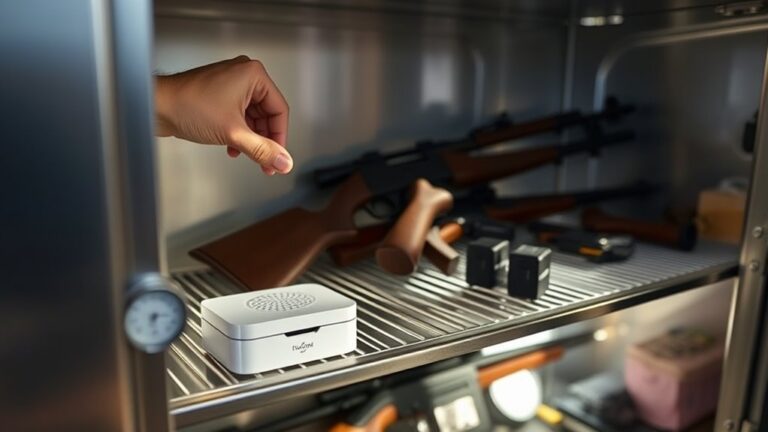
To protect your gun collection, aim for a safe with at least a 1-hour fire rating, which can withstand temperatures up to 1,200°F. If you have valuable documents or high-end firearms, consider a 2-hour rated safe for extra peace of mind.
The right fire rating depends on your valuables and fire risk, but understanding these ratings helps you choose wisely.
Keep exploring to find out more about selecting the best fire protection for your needs.
Key Takeaways
- Aim for a minimum fire rating of 1 hour (like UL 72 Class 350) to protect your valuables during typical fires.
- Consider a 2-hour fire rating if you’re storing higher-value or critical documents and items.
- Match the safe’s fire rating to your local fire risk and how long emergencies might last.
- Make sure the safe has certified standards such as UL or ETL for verified fire resistance.
- Balance your fire protection needs with your budget, giving higher ratings to irreplaceable or essential items.
Why Fire Resistance Matters for Your Gun Safe
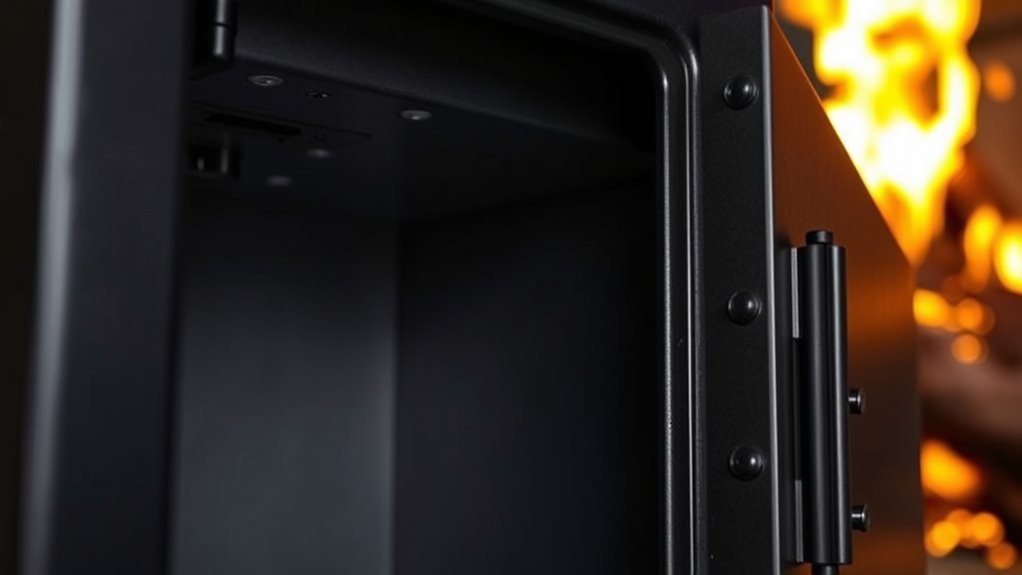
Fire resistance is crucial because a fire can cause irreversible damage to your gun collection and important documents stored inside your safe. Without proper fire protection, your valuable firearms and paperwork are at high risk of destruction from heat and smoke.
Fire damage not only ruins your assets but can also complicate insurance claims, making recovery even more difficult. Many insurance policies require a certain fire rating for safes to ensure coverage in case of a fire.
If your safe isn’t fire-resistant enough, you might face denied claims or reduced compensation. Choosing a safe with a high fire resistance rating helps protect your valuables from extreme temperatures and smoke infiltration.
It’s a smart investment that safeguards your collection, preserves important documents, and helps you avoid costly losses and insurance issues. In short, fire resistance is a vital factor in protecting your assets from the unpredictable dangers of fire.
Available Fire Ratings for Gun Safes Explained
Understanding the available fire ratings for gun safes helps you choose the right level of protection for your valuables. Fire rating types vary, usually measured in how long and how hot a safe can withstand during a fire.
Common ratings include 1-hour, 2-hour, and even longer, with temperatures reaching 1,200°F or more. These ratings depend a lot on how the safe is built, including insulation, fire-resistant panels, and seal integrity.
Common fire ratings include 1-hour and 2-hour protection, reaching temperatures of 1,200°F or more, depending on construction quality.
A higher fire rating means your safe can handle longer exposure, giving you peace of mind. Some safes also have special fire-resistant materials designed to protect against extreme heat and smoke.
It’s important to understand that fire ratings are standardized, so knowing what each rating means helps you evaluate a safe’s overall protection. By understanding these ratings and how construction impacts performance, you can pick a gun safe that offers the right balance of protection and practicality.
How Long Should a Gun Safe Withstand a Fire?
Choosing the right fire protection for your gun safe isn’t just about knowing its rating; it’s about how long it can keep your valuables safe during a blaze.
Fire safety standards usually measure this duration in minutes or hours, depending on the safe’s construction. To pick the right safe, consider these key factors:
- How long the safe can withstand temperatures of 1,200°F (649°C)
- How long it stays below critical temperature thresholds for sensitive items
- The fire rating time frame published by the manufacturer
- The type of fire protection materials used in the safe’s construction
- The safe’s ability to resist heat transfer and prevent insulation breakdown
A longer fire endurance means better protection and peace of mind. Remember, a safe that withstands fire longer is essential for thorough fire safety.
Matching your needs with the fire rating duration helps ensure your valuables stay protected during emergencies.
What Do Fire Ratings Say About Safe Durability?
A safe’s fire rating gives you a clear idea of how durable it is and how well it can handle extreme heat during a fire. Understanding what fire rating terms mean helps you judge how effectively a safe can protect its contents in such conditions.
Ratings usually specify how long and at what temperature the safe can survive, like 1 hour at 1700°F. These ratings reflect the quality of the safe’s construction, including insulation, fireboard layers, and gasket seals.
A higher fire rating generally indicates more advanced construction techniques, which offer better insulation and heat resistance. Keep in mind, though, that fire ratings are based on standardized tests and don’t guarantee complete protection.
By looking at these ratings, you can better decide which safe will hold up during a fire. This helps give you peace of mind that your valuables are protected.
Ultimately, understanding what fire ratings say about a safe’s durability helps you make a smarter, more informed choice based on your needs.
Which Fire Rating Is Best for Home Use?
Choosing the right fire rating for your home safe really depends on what you’re protecting and how long you want it to stay safe during a fire. If you have important documents or valuables, you’ll want a safe with a higher fire resistance so they’re protected longer.
Keep in mind, though, that safes with higher fire ratings usually cost more. So, it’s a good idea to think about your specific needs and also how durable the safe’s materials are. Finding the right balance will help you choose a safe that fits both your security needs and your budget.
Fire Resistance Duration
When evaluating fire ratings for gun safes, the duration of fire resistance is a key factor to consider. It tells you how long your safe can withstand high temperatures and protect what’s inside.
Safes are usually rated for 30 minutes, 1 hour, or even 2 hours of fire resistance. To get these ratings, manufacturers use fireproof materials that can handle intense heat.
Longer durations generally mean better protection, especially during longer fires. A safe rated for at least one hour offers a good balance of security and practicality.
Keep in mind these factors: the fireproof materials used in construction, the fire resistance duration, temperature resistance capabilities, certification standards like UL or ETL, and the type of fire scenario you might face at home.
Material Durability
Material durability is crucial when choosing a gun safe for your home. It affects how well the safe can handle high temperatures and protect your valuables in a fire.
The steel used in the safe is a key factor in its strength and heat resistance. Thicker, high-quality steel is better at resisting warping and punctures from extreme heat.
Thermal insulation is also important. It slows down heat transfer and helps keep your firearms and documents safe inside.
A durable safe combines strong steel with good insulation, making sure it can survive intense fires without losing security.
When picking a safe, look for one with solid steel construction and effective insulation to get the best protection during a fire.
What Fire Ratings Are Needed for Commercial Safes?
When you’re choosing a fire-rated safe for a commercial space, it’s important to keep industry standards and local codes in mind. These guidelines help make sure you’re meeting all the necessary safety requirements.
You’ll also want to think about how long the safe needs to withstand a fire. This depends on how valuable or sensitive the contents are. For example, critical documents might require a longer fire resistance than general storage.
Getting a good understanding of these fire rating requirements will help you pick a safe that truly offers the protection you need during a fire emergency.
Industry Standards and Codes
Understanding the fire rating requirements for commercial safes is key to making sure your assets stay protected during a disaster. Industry standards and codes, like fire safety regulations and building codes, set the minimum criteria for safe construction and fire resistance.
These standards ensure safes are tested and certified to withstand specific fire conditions, giving you reliable protection. Important factors to consider include compliance with local building codes and certification standards like UL or ETL.
Also, pay attention to fire resistance classifications and the testing procedures used for temperature and duration. It’s essential to stay updated with evolving regulations to keep your safes compliant and effective.
Fire Resistance Duration
Determining the right fire resistance duration for a commercial safe is crucial because it shows how long your valuables can stay safe during a fire. This mainly depends on your specific needs and the type of fireproof materials used in the safe’s construction.
Different insulation types like mineral, fiberglass, or intumescent materials affect how well the safe resists heat transfer over time. Fire ratings are usually measured in hours, such as 1, 2, or 4 hours, indicating how long the safe can withstand high temperatures.
For commercial settings, opting for a safe with a longer fire resistance duration offers extra protection during extended fires. Understanding the fireproof materials and insulation types helps you choose a safe with an appropriate fire rating to keep your assets safe.
Understanding Fire Safety Certifications and Standards
Fire safety certifications and standards give you important benchmarks for how well a gun safe can protect its contents during a fire. Knowing these helps you pick a safe with the right fire ratings and trusted certification organizations.
Certification groups like UL (Underwriters Laboratories) and ETL test safes against strict fire standards to ensure they perform well. These standards set specific temperature limits, testing durations, and construction requirements that safes must meet.
Key things to look for include recognized certification organizations that verify compliance, different fire rating types based on how long and how hot a fire can get, and industry standards that ensure consistent testing procedures. Clear labels on the safe should show its certified fire resistance, and independent testing results give unbiased proof of performance.
How Fire Ratings Affect Safe Price and Features
When it comes to fire ratings for gun safes, higher ratings typically mean you’ll be paying a bit more. But the upside is that they offer better protection against fires. These ratings actually determine the kind of features you’ll get, like the type and thickness of insulation inside the safe. And those features play a big role in both how much the safe costs and how well it performs during a fire. So, understanding how fire ratings connect to price and features can really help you find a safe that fits your budget while keeping your valuables secure.
Fire Rating and Cost
The fire rating of a gun safe directly influences its price and features. Higher fire ratings usually mean higher costs, as they require thicker walls and better insulation.
When you’re choosing, think about how long you need fire protection for and what materials are used for insulation. Also, consider the overall build quality and any extra security features that come with higher ratings.
Keep in mind that a higher fire rating often means a bigger price. But it also offers peace of mind during a fire. Finding the right balance between fire rating costs and your security needs helps you pick a safe that protects your valuables without overspending.
Features Influenced by Ratings
As fire ratings increase, safes often come with extra features to boost protection and durability. Higher-rated safes use advanced fireproof materials, like specialized fire-resistant concrete or composite layers, to handle intense heat.
They also include better insulation types, such as mineral or ceramic-based insulations, which help keep the internal temperature lower during a fire. These upgrades not only improve fire resistance but also make the safe stronger against burglary attempts.
You’ll often see reinforced door seals, thicker walls, and improved gasket systems in higher-rated safes. While these features offer better protection, they can also raise the cost.
Choosing the right fire rating is about balancing your security needs with your budget and the features that best safeguard your valuables.
Additional Fire Safety Features to Consider
While a strong fire rating is essential, you should also consider additional fire safety features that can boost your safe’s protection during a blaze. These improvements help contain heat and smoke, ensuring your valuables stay secure. Look for safes with:
- Sprinkler systems that activate during a fire to suppress flames
- Fireproof coatings that add an extra layer of insulation against high temperatures
- Ventilation options to prevent smoke buildup inside
- Insulation materials designed specifically for fire resistance, maintaining a stable internal temperature
- Temperature controls and emergency lighting to make access easier during and after a fire
Plus, features like safety seals prevent smoke intrusion, and access protocols ensure only authorized persons can open the safe in emergencies. These features together strengthen fire protection, giving you peace of mind.
How to Choose the Right Fire Rating for Your Needs
Choosing the right fire rating for your safe depends on understanding your specific storage needs and the types of valuables you’re protecting. Think about what items you want to safeguard, like firearms, documents, or jewelry, and how long they need fire protection.
Fire ratings are measured in time and temperature, showing how long the safe can withstand flames without damage. Look for safes with fire ratings suited to your risk level. Higher ratings offer better protection but might cost more.
Safe construction is also important. Materials like thick steel and fire-resistant insulating layers help improve fire protection. Check if the safe has certifications from recognized testing labs to make sure it meets industry standards.
Ultimately, choosing the right fire rating is about balancing your valuables’ importance, your budget, and the level of fire protection needed to keep your belongings safe.
Frequently Asked Questions
Can a Fire-Rated Gun Safe Also Protect Against Water Damage?
A fire-rated gun safe mainly protects against fire using fireproof materials, but it doesn’t guarantee water resistance. Some safes come with water-resistant features or seals that help shield contents from water damage caused by fire hoses or sprinkler systems.
If water protection is a priority, look for safes specifically labeled as water-resistant or waterproof. These combine fireproof materials with water resistance for better protection against both fire and water damage.
How Often Should I Replace or Upgrade My Fire-Rated Safe?
You should replace or upgrade your fire-rated safe every 10 to 15 years, since its fire protection can decrease over time due to wear and aging.
Regularly check its condition, especially if you notice any damage or if the insulation seems weaker.
When to upgrade depends on your changing security needs or new advancements in safe technology.
Upgrading helps ensure your firearms and valuables stay protected against new threats and conditions.
Are There Any Specific Fire Ratings Recommended for Gun Safes in Wildfire-Prone Areas?
In wildfire-prone areas, you should look for gun safes with a fire rating of at least 1,200°F for a minimum of 30 minutes, ensuring your firearms are protected during a wildfire.
Prioritize a safe location that minimizes exposure to heat and flames, and incorporate wildfire preparedness measures.
This combination helps safeguard your firearms and valuables, giving you peace of mind during unpredictable wildfire events.
Do Fire Ratings Vary Between Different Safe Brands and Manufacturers?
Fire ratings do vary between safe brands and manufacturers, so it’s important to compare safety standards carefully. When you’re looking at different brands, you’ll notice that some meet higher fire protection standards, which means better insulation and durability.
Always check the fire rating details and make sure they match your needs, especially if you live in a wildfire-prone area. Picking a safe with a higher fire rating from a reputable brand can give you peace of mind.
What Are the Maintenance Requirements for Maintaining Fire Protection in a Safe?
To keep your fire protection effective, regularly check your safe for any damage or signs of wear. Make sure the fireproof materials and insulation are still in good condition.
Store the safe in a cool, dry spot and avoid drastic temperature changes that could weaken its fire resistance. It’s also a good idea to test the seals now and then to ensure they’re airtight.
Avoid exposing the safe to high heat or humidity, as this can compromise its protective qualities. Proper maintenance helps your safe stay fire-resistant and reliable over time.
Conclusion
Choosing the right fire rating for your gun safe ensures your valuables stay protected when it matters most. Remember, a chain is only as strong as its weakest link—so don’t compromise on fire safety.
By understanding fire ratings and selecting the appropriate level, you’re safeguarding your peace of mind and your possessions. Invest wisely because it’s better to be safe than sorry.
After all, an ounce of prevention is worth a pound of cure. Fire ratings are key in making sure your gun safe can withstand the heat and protect what’s inside.