How to Make a Gun Safe in 6 Simple Steps
Are you worried about safely storing your firearms while keeping them out of sight? You’re not alone—many people struggle with finding a reliable, discreet way to protect their guns.
Building a homemade gun safe can be a smart, cost-effective solution if done right.
To make a gun safe in 6 simple steps, start by choosing a discreet location that fits your current and future firearms. Gather sturdy materials like steel or heavy-duty wood, and tools such as a drill and screwdriver.
Build the frame, install secure locking mechanisms, and add foam padding inside for protection. Finally, test your safe thoroughly to verify it’s secure.
Keep going to uncover the details that will help you create a reliable, hidden storage solution.
Key Takeaways
- Pick a discreet, well-ventilated spot that works for storing your firearms now and in the future.
- Build a sturdy frame using steel or heavy-duty wood, making sure to measure everything properly and add insulation if needed.
- Install a reliable lock, like biometric or electronic, and follow the manufacturer’s instructions carefully.
- Add inside padding and compartments to keep firearms organized and prevent any damage.
- Test the safe thoroughly to make sure it works well, is secure, and is easy to access before you finish up.
Determine the Best Location and Size for Your Gun Safe
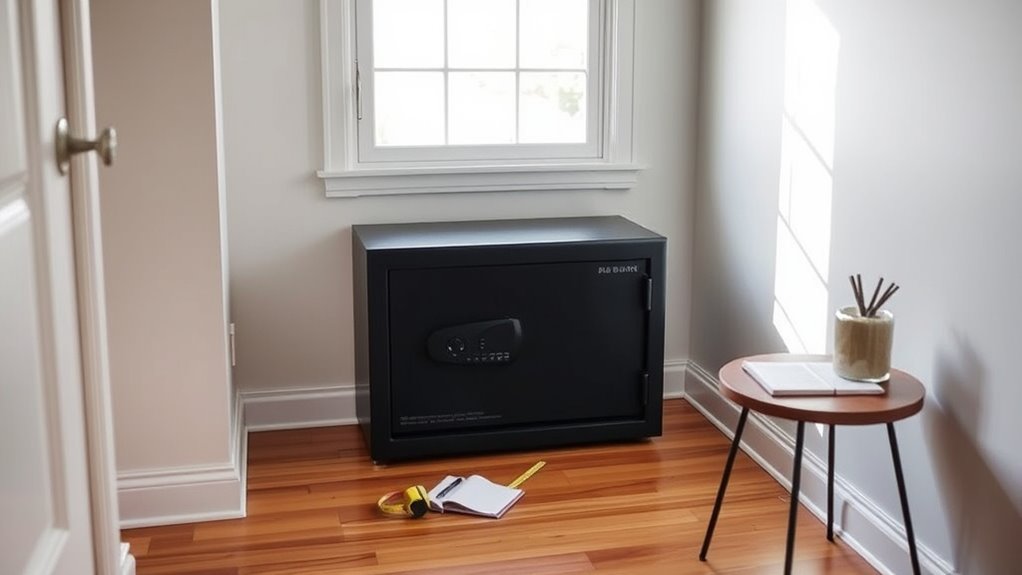
Choosing the right location and size for your gun safe is key to ensuring safety and convenience. You want a spot that allows easy access to your firearms but keeps them away from unauthorized people.
Pick a discreet, secure place like a closet or basement corner, away from daily traffic. The size should fit your current collection and leave room for future additions. But avoid safes that are too large, as they can be hard to hide or move.
Proper placement also means good ventilation to prevent moisture buildup and damage. Avoid areas with high humidity or temperature changes, like attics or garages. A well-ventilated spot helps keep your guns in good shape and reduces rust.
Gather Materials and Tools for Building Your Safe
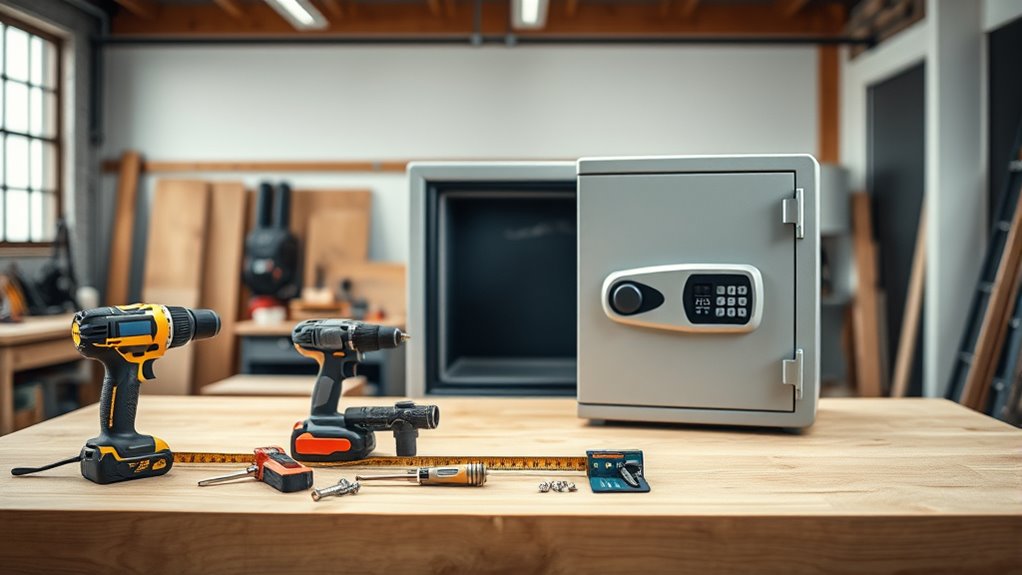
Before you start building your gun safe, it’s important to gather all the materials and tools you’ll need. Choosing the right materials ensures your safe is strong and secure, while knowing what tools to use helps you work smoothly.
You’ll need basic supplies like steel or heavy-duty wood, a lock mechanism, and insulation materials. For tools, pick up a drill, screwdriver, measuring tape, and safety gear.
Here’s a quick overview:
| Materials Selection | Tool Requirements | Additional Supplies |
|---|---|---|
| Steel sheets or thick wood | Drill and drill bits | Screws and bolts |
| Locking mechanism | Screwdriver (manual or electric) | Hinges |
| Insulation material | Measuring tape | Safety glasses and gloves |
Having everything ready before you start saves time and helps keep your project on track. Make sure all your materials and tools are in good condition before diving in.
Build the Frame and Walls of Your Gun Safe
With your materials and tools ready, it’s time to start assembling the frame and walls of your gun safe. Begin by cutting your chosen frame materials, like steel or heavy-duty wood, to the right size. Make sure the pieces are straight and smooth to ensure stability.
Start by cutting your frame materials to size, ensuring smooth, straight pieces for a stable, secure gun safe.
Assemble the frame on a flat surface, using screws or welding for extra strength. Once the frame is secure, move on to the walls. Insert wall insulation between the inner and outer panels to boost fire resistance and soundproofing.
Secure the panels firmly to the frame, making sure they are flush and stable. Properly insulated walls help prevent heat transfer and protect your firearms. Double-check all connections and alignment before proceeding.
Building a sturdy, well-insulated frame and walls is key to your safe’s overall strength and security. This step sets the foundation for a reliable and durable gun safe.
Install Locking Mechanisms to Secure the Door
When it comes to keeping your guns safe, picking the right locking mechanism is really important. You might want to look into options like combination locks, key locks, or electronic locks—whatever works best for you. Just make sure you install the lock properly so it works smoothly and is tough for anyone to get around.
Also, pay attention to how you secure the lock to the door. A solid installation not only makes your safe more secure but also gives you that extra peace of mind knowing everything is locked up tight.
Types Of Locking Devices
There are several locking devices available to secure your gun safe door effectively. Your choice affects safety standards, theft prevention, and ease of use.
Common options include biometric locks, electronic locks, mechanical locks, combination locks, and key locks. Each has different benefits for security and convenience.
Biometric locks use fingerprint recognition, providing quick access for authorized users. Electronic locks are keypad-based, allowing you to enter a code easily.
Mechanical locks, like traditional key locks, rely on physical keys. Combination locks use a series of dial turns, and key locks require a key to open.
Think about your security needs and how easy the lock is to operate when choosing a locking mechanism.
Proper Lock Installation Techniques
Proper installation of your locking mechanism is essential to guarantee your gun safe remains secure. First, choose the right lock types for your safe, like combination locks, electronic locks, or keypad mechanisms.
Before installation, gather the necessary tools such as screwdrivers, drill bits, and a level. Carefully follow the lock manufacturer’s instructions to ensure the lock is aligned correctly and works smoothly.
Drill precise holes for the mounting screws, being careful not to damage the safe’s structure. Secure the lock tightly, but avoid overtightening to prevent damage.
Double-check the lock’s operation before closing the door. Properly installed locks improve security and prevent unauthorized access, helping keep your firearm protected.
Add Interior Padding and Storage for Your Firearms
To protect your firearms from scratches and damage, adding interior padding is crucial. Use foam or felt lining to cushion your guns, preventing marks and dents. Proper interior design focuses on creating a safe, organized space that keeps firearms secure and easily accessible.
Incorporate custom compartments or padded slots to boost firearm organization. This way, each gun has its own designated spot, making retrieval quick and hassle-free. Well-planned compartments also help prevent accidental bumps or scratches.
When choosing padding materials, opt for non-abrasive, durable options that won’t degrade over time. Consider adding small storage pockets or shelves for accessories like magazines, locks, or cleaning supplies.
A well-organized interior with padding and storage solutions keeps your safe tidy and your firearms in top condition. Prioritize a clean, organized space to improve safety and convenience every time you access your guns.
Test Your Gun Safe and Improve Its Security
Testing your gun safe regularly is key to making sure it keeps your firearms secure. By checking its security features and trying out different methods, you can see if it’s truly reliable.
Start by attempting to open the safe with different keys, codes, or biometric methods. This helps you spot any weaknesses that might let someone get in. Also, check the locking mechanism to see if it opens smoothly and look for signs of wear.
Test your safe with various keys, codes, and biometrics to identify potential weaknesses and ensure smooth operation.
Don’t forget to inspect the hinges, bolts, and keypad for any damage or tampering. You might want to use a security testing tool to simulate forced entry and see how well your safe holds up.
Remember, a well-tested safe gives you confidence and keeps your firearms protected. Feeling secure means peace of mind during emergencies and knowing your guns are safe from intruders.
Stay proactive by doing regular safety checks. Fortify your safe to make it less attractive to burglars and thieves.
Frequently Asked Questions
What Are the Legal Requirements for Building a Home Gun Safe?
You need to guarantee your home gun safe complies with local laws and regulations. Check compliance regulations related to firearm storage, such as secure locking mechanisms and proper anchoring.
Some areas may require safes to meet specific safety standards or have certain certifications. Always research your local laws before building or purchasing a gun safe.
Consider consulting authorities or legal experts to stay fully compliant and avoid penalties.
How Do I Ensure My Safe Is Fireproof?
You can guarantee your safe is fireproof by using fireproof materials like fire-resistant drywall or concrete composite. Insulation options such as mineral wool or ceramic fiber provide extra heat resistance.
To get the best protection, line the interior with these materials and seal all gaps thoroughly. Keep in mind, a well-built safe with proper insulation can withstand high temperatures, giving you peace of mind knowing your firearms are protected from fire damage.
Can I Customize the Interior Layout for Different Firearm Sizes?
Yes, you can customize the interior layout of your gun safe to fit different firearm sizes. Adjustable shelving and padded compartments are great options to improve organization.
These features help you arrange guns based on their size, making it easier to find and retrieve them quickly.
Having a flexible interior ensures your safe suits your collection while keeping your firearms secure.
What Maintenance Is Needed to Keep the Safe Secure Over Time?
Imagine a homeowner, Sarah, who regularly maintains her gun safe. To keep it secure over time, you should routinely check and lubricate the lock mechanisms to prevent jamming.
Also, practice corrosion prevention by applying rust-resistant coatings and keeping the interior dry. Regularly inspecting for wear or damage guarantees your safe remains reliable, protecting your firearms effectively.
Proper maintenance is key to long-term security and safe storage.
Are There Any Safety Tips for Children Regarding Gun Safes?
To guarantee children’s safety around gun safes, prioritize child education about gun dangers and safe access. Teach kids never to touch firearms or safes without adult supervision.
Always keep safes out of children’s reach, preferably in a locked, secure location. Reinforce safety rules regularly, and involve children in understanding the importance of responsible gun storage.
These steps help prevent accidents and promote a safer environment for everyone.
Conclusion
Now that you’ve built your gun safe, it’s like giving your firearms a cozy fortress where they’re protected from prying eyes and accidents. Regularly check that the lock and hinges work smoothly, and keep the interior organized to prevent damage.
Remember, a well-made safe is your best armor, shielding your valuables from harm. With these simple steps, you’ve turned a basic project into your personal vault of security. Your peace of mind is now locked in with your gun safe.