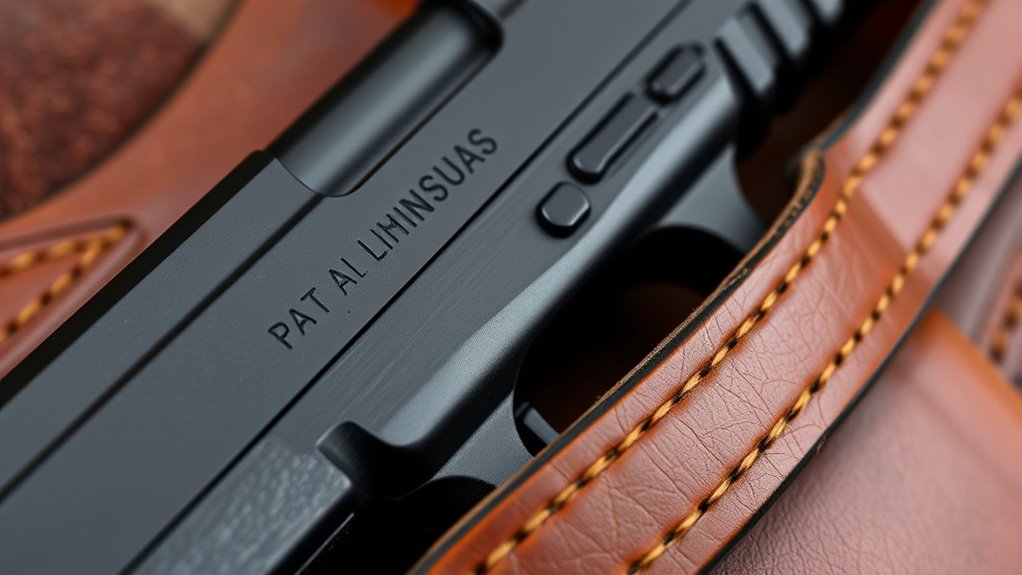
How Well Does Cerakote Hold Up Against Holster Wear?
Are you tired of coatings that wear down quickly with regular holster use? Many gun owners struggle with finishes that chip, scratch, or fade over time, leaving their firearm looking worn out.
If durability is a top priority, you’re not alone—finding a finish that can handle daily friction is a common challenge. That’s where Cerakote comes in.
Cerakote offers excellent wear resistance against holster friction, especially when applied properly with thorough surface preparation and thin coats. It resists chipping, scratching, and fading from constant contact, making it durable for regular use.
Using quality holsters and gentle handling techniques can further extend its lifespan.
Over time, signs of wear like scratches or discoloration may appear, but with proper maintenance, Cerakote can stay protected longer.
If you want to know more, keep exploring how to maximize its performance.
Key Takeaways
- Cerakote offers excellent wear resistance against friction from leather, polymer, and Kydex holsters.
- Its durability depends on proper surface preparation and applying thin, even coats during the coating process.
- Signs of wear include scratches, discoloration, and polished spots, especially in high-contact areas.
- Handling your firearm gently and choosing holsters with smooth linings can help reduce surface abrasion.
- Regular maintenance and inspections will help extend Cerakote’s protective qualities and restore its look if it gets worn.
How Well Does Cerakote Resist Holster Wear?
How well does Cerakote stand up to holster wear? Cerakote offers impressive wear resistance, especially against common issues caused by holster material. When you choose Cerakote for your firearm, you get a coating designed to withstand friction and abrasion from holsters, whether made of leather, polymer, or Kydex.
Its durability helps prevent chipping, scratching, and fading over time. Unlike traditional finishes, Cerakote’s thin application doesn’t add bulk, which helps ensure smooth holster draw and reholstering. The coating forms a tough barrier, protecting the underlying metal from wear caused by repeated holster use.
This means your firearm maintains its look and integrity longer, even with frequent holster wear. Overall, Cerakote’s high wear resistance makes it a great choice for those wanting a long-lasting, durable finish that can handle daily carry.
Applying Cerakote to Firearms and Holsters: What You Need to Know
Before you start applying Cerakote, it’s really important to make sure the surface is properly prepared. This step is key because it helps the coating stick better and last longer. If the surface isn’t ready, the finish might not hold up well over time.
Getting the application right is also about understanding the techniques involved. When you do it correctly, you’ll end up with a smooth, even finish that looks great and stands up to use. And don’t forget, how you apply the Cerakote really makes a difference in how well it resists holster wear and everyday handling.
Surface Preparation Importance
Proper surface preparation is key to getting a durable and professional-looking Cerakote finish on firearms and holsters. You need to use effective techniques to remove oils, dirt, and oxidation that could interfere with adhesion.
Sanding, cleaning with a degreaser, and blasting are common methods to create a clean surface. Make sure the material of your firearm or holster is compatible with Cerakote—not all materials bond the same way.
Skipping proper prep can cause peeling, chipping, or uneven wear. Take your time to prepare the surface thoroughly because this step directly affects how long the coating lasts and how good it looks, especially in high-friction areas like holsters.
Proper prep sets the foundation for a successful Cerakote application.
Application Techniques Overview
Applying Cerakote correctly takes attention to detail and the right techniques to ensure a durable, smooth finish. Knowing how to apply the coating properly and handling common challenges like contamination or uneven coverage is key.
Follow these steps to get it right:
| Step | Technique | Tips |
|---|---|---|
| Surface Prep | Clean thoroughly | Remove oils and debris |
| Application | Spray in thin coats | Avoid drips and pooling |
| Curing | Bake at recommended temp | Prevent peeling |
Mastering these coating techniques and tackling application challenges will improve adhesion and make your finish last longer. Taking your time and being careful helps prevent flaws and keeps your firearm or holster looking great and working well over time.
Durability in Use
When you apply Cerakote to firearms and holsters, its durability in everyday use is a key factor to consider. The material of the holster plays a big role in how well the coating holds up, with rigid materials like Kydex or leather generally providing better protection.
Cerakote bonds strongly to metal and some plastics, making it resistant to scratches and wear. However, things like moisture, dirt, and temperature changes can affect its lifespan.
Proper surface prep and good application techniques are crucial to get the most durability out of the coating. Regularly check your holster for signs of wear so you can catch any issues early.
What Makes Cerakote Tough and Durable? Key Properties Explained
Cerakote stands out for its exceptional toughness and durability, thanks to its unique ceramic-based formulation. This blend creates a coating that resists wear and damage even in tough conditions.
The key properties include remarkable chemical resistance, allowing your firearm to withstand exposure to oils, solvents, and cleaning agents without degrading. Its temperature stability means it won’t peel or discolor after heavy firing or exposure to heat.
Impact toughness ensures your firearm can handle drops and knocks without chipping or cracking. Plus, its scratch resistance helps keep your finish looking new longer. Strong surface adhesion also means the coating won’t peel over time.
Here’s what makes it stand out:
- Unmatched impact toughness that absorbs shocks.
- Superior scratch resistance to keep your firearm pristine.
- Excellent chemical and temperature resistance for long-lasting performance.
How Friction From Holsters Affects Cerakote Finishes
Friction from holsters can gradually wear down Cerakote finishes, especially with frequent use or rough handling. The material of your holster, like leather, polymer, or Kydex, plays a big role in how much friction affects your firearm’s coating.
Harder materials tend to cause more abrasion, leading to faster wear. Think of this friction like a table:
| Holster Material | Friction Effect | Wear Rate |
|---|---|---|
| Leather | Moderate | Slower |
| Polymer | Low | Minimal |
| Kydex | High | Faster |
| Nylon | Moderate | Moderate |
| Hybrid | Variable | Varies |
Different holster materials impact friction levels and, in turn, Cerakote durability. Using a holster with high-friction material can speed up wear. Picking the right holster can help keep your Cerakote looking its best longer.
Cerakote vs. Other Firearm Finishes: Which Holds Up Best?
Choosing the right finish for your firearm depends on how well it withstands wear and tear over time. When comparing finishes, Cerakote stands out in durability and finish longevity. It offers superior resistance to scratches, chemicals, and UV damage. But how does it compare to other popular finishes?
Cerakote excels in durability, resisting scratches, chemicals, and UV damage for long-lasting firearm finishes.
- Bluing: Classic but prone to rust and scratches, so it doesn’t last as long.
- Parkerizing: Offers good corrosion resistance but isn’t as resistant to abrasion.
- Cerakote: Provides unmatched durability and keeps its look through heavy use and holster wear.
If you want a finish that truly endures, Cerakote’s reputation for longevity makes it a top choice. Its resistance to wear and environmental damage helps your firearm stay looking new longer, so you can count on its resilience over time.
How Long Does Cerakote Last Under Regular Holster Use?
Ever wonder how long Cerakote can keep its look with regular holster use? The lifespan really depends on your holster choice and how often you draw or holster your gun.
Cerakote finishes generally last longer than traditional coatings and can survive thousands of draws without much wear. A good quality holster, like one made from Kydex, reduces friction and helps the finish stay looking new longer.
Cheaper holsters or leather ones tend to cause more scratches and wear, which can shorten the coating’s lifespan. When comparing finishes, Cerakote stands out for resisting scratches and corrosion, but no coating is completely invincible.
On average, you can expect Cerakote to last between 2,000 to 5,000 holstering and drawing cycles with normal use. Taking care of your holster and handling your firearm gently can make that lifespan even longer.
In the end, your choice of holster plays a key role in how long Cerakote keeps its sleek, fresh look.
Signs of Wear on Cerakote-Coated Guns From Holster Use
Over time, even the most durable Cerakote finish can show signs of wear from regular holster use. You might notice subtle wear patterns developing on high-contact areas, indicating where the finish has been repeatedly rubbed or scraped. These signs can be frustrating, especially if you’ve invested in a high-quality coating.
Even durable Cerakote finishes can develop subtle wear patterns from regular holster use.
Common signs include:
- Color Fading or Discoloration: Areas exposed to frequent friction may lose their vibrancy, revealing the underlying metal.
- Scratches and Abrasion Marks: Persistent rubbing against the holster can create visible scratches, testing the abrasion resistance of the Cerakote.
- Smooth or Polished Spots: Over time, friction can smooth out certain areas, creating shiny patches that contrast with the rest of the finish.
These wear patterns are natural but can be minimized with proper care. Recognizing these signs helps you understand how Cerakote responds to holster use and its abrasion resistance.
Tips to Protect and Extend Cerakote’s Life in Holster Carry
Choosing the right holster is super important if you want to protect your Cerakote finish. You want one that fits snugly but doesn’t move around too much—that way, you’re reducing the chances of scratches or wear.
Also, don’t forget to clean and inspect your firearm regularly. Keeping it free of dirt and debris can really help prevent tiny scratches that might damage the coating over time. And when handling your gun, just be gentle—careful treatment makes a big difference in keeping that beautiful finish looking good.
Follow these simple tips, and you’ll be able to extend the life of your Cerakote finish so it stays looking sharp through everyday carry.
Proper Holster Selection
Are you aware of how important your holster choice is in protecting Cerakote’s finish? Picking the right holster can really help reduce wear and damage over time. Focus on the materials—leather, Kydex, or nylon—that are gentle on Cerakote surfaces.
Look for holsters with adjustable retention. If it’s too tight, friction can cause scratches. If it’s too loose, your firearm might shift and increase contact, leading to more wear.
Here are three tips to keep your Cerakote looking its best:
- Choose holsters with smooth lining or padding to minimize abrasive contact.
- Prioritize adjustable retention to prevent constant friction.
- Avoid overly tight fitments that increase surface contact and wear.
Making smart choices now will help extend your Cerakote’s lifespan and keep your firearm looking great.
Regular Maintenance Practices
Regular maintenance is key to protecting your Cerakote finish when carrying your firearm in a holster. Proper cleaning and coating care help prevent scratches and wear over time.
Make sure to wipe your firearm regularly with a soft, damp cloth to remove dirt and sweat. Avoid harsh chemicals that can damage the finish.
Check your holster and firearm for debris that could cause abrasions. Keeping things clean helps maintain the appearance and durability of your Cerakote.
Applying a light coat of firearm oil after cleaning can prevent rust without harming the coating. Just be sure not to overdo it.
Here’s a quick table for some handy tips:
| Cleaning Methods | Coating Care |
|---|---|
| Use soft cloths and mild cleaners | Avoid abrasive materials |
| Regularly inspect for debris | Keep away from harsh chemicals |
| Light oil after cleaning | Store in a dry place |
Sticking with these simple steps will extend your Cerakote’s lifespan and keep your firearm looking new.
Gentle Handling Techniques
Handling your firearm with care during holster carry can make a big difference in protecting its Cerakote finish. Using proper handling techniques helps you keep your investment looking sharp. Focus on gentle insertion and removal from your holster, avoiding unnecessary friction.
Regularly check your holster for rough edges that could scratch the finish. Consider using a holster with smooth lining to reduce wear. These small steps can go a long way in maintaining your firearm’s appearance.
Here are three tips to improve firearm care:
- Always handle your firearm with clean, dry hands to prevent dirt and moisture from causing damage.
- Avoid dragging or forcing the firearm into the holster—gentle, deliberate motions matter.
- Store your firearm in a safe, cushioned environment to minimize accidental wear and scratches.
Following these handling tips helps extend your Cerakote’s life and keeps your firearm looking great.
Maintaining and Recoating Cerakote Firearms for Long-Term Durability
To guarantee your Cerakote firearm keeps its vibrant finish and protection over time, proper maintenance and occasional recoating are key. The benefits of Cerakote include excellent corrosion resistance, durability, and a sleek look that can last for years.
Regular cleaning helps remove dirt and debris that can wear down the coating, helping preserve its appearance and protective qualities. When you notice signs of wear or damage, recoating can restore your firearm’s finish.
Recoating involves thoroughly cleaning the surface and then applying a new layer of Cerakote using proper techniques like spray application or dip coating. This ensures a smooth, even finish that sticks well and maintains the original benefits.
Is Cerakote the Right Finish for Frequent Holster Carry?
If you’re carrying your firearm every day, you want a finish that can handle the constant rubbing and friction from your holster. Cerakote is known for its durability and protective qualities, but you might be wondering how it really holds up with regular use.
The good news is, Cerakote tends to be pretty tough and resistant to wear, making it a solid choice for frequent carry. That said, like any coating, it benefits from proper maintenance to keep it looking its best over time.
Durability During Daily Use
Cerakote’s reputation for durability makes it a popular choice for firearm finishes, especially for those who carry their guns daily. Its resistance to scratches and corrosion helps it withstand everyday wear and tear.
When considering cerakote applications, you’ll find it holds up well against the rigors of constant holster use.
Here are 3 reasons why cerakote is reliable during daily use:
- It forms a tough, protective layer that resists chipping and scuffing.
- Its chemical properties prevent corrosion from sweat and moisture.
- The finish maintains its vibrant color despite frequent holster friction.
If you’re looking for a finish that endures daily wear without fading or peeling, cerakote is a solid choice for frequent holster carry.
Maintenance and Longevity
When you choose Cerakote for your firearm, maintaining its finish and ensuring longevity is simple with some consistent care. Regular cleaning helps keep the protective coatings intact and prevents wear.
Use a soft cloth and mild solvent to wipe away dirt and oils after each use. Avoid abrasive cleaning tools that could damage the finish. To extend its lifespan, apply a light coat of gun oil to metal parts, but don’t over-lubricate Cerakote surfaces.
Store your firearm in a cool, dry place, and consider using protective coatings or cases to prevent scratches. Regular inspections can catch wear early, helping you stay ahead of any damage.
Proper maintenance not only keeps your firearm looking good but also helps Cerakote’s protective qualities last longer.
Frequently Asked Questions
How Does Cerakote Perform in Extreme Weather Conditions?
Cerakote performs well in extreme weather conditions, resisting damage from temperature extremes and moisture exposure.
You’ll find that it keeps its color and finish even when exposed to intense heat or cold, helping prevent cracks or peeling.
Its protective coating also offers great resistance to moisture, reducing rust and corrosion.
Can Cerakote Be Repaired After Holster Wear?
Like a master painter touching up a cherished masterpiece, you can repair Cerakote after holster wear. A fresh Cerakote application can restore its vibrant shield, sealing away scratches and blemishes.
When choosing a holster, pick one that’s gentle yet secure to help prolong the coating’s life. Proper maintenance and timely touch-ups keep your firearm looking pristine.
This way, wear becomes a reflection of resilience and care, rather than a flaw.
Is Cerakote More Resistant to Scratches Than Other Finishes?
Cerakote is generally more resistant to scratches than many other finishes, thanks to its advanced ceramic-based coating. Its advantages include excellent durability and corrosion resistance, making it a top choice for firearm finishes.
When comparing finishes, Cerakote stands out for its toughness and ability to withstand daily wear and tear. If you want a resilient, long-lasting finish that resists scratches better than traditional options, Cerakote is an excellent choice.
How Does Cleaning Affect Cerakote’s Durability?
Cleaning your Cerakote finish with gentle techniques actually boosts its durability. If you use harsh chemicals or abrasive tools, you risk damaging the coating.
Stick to soft cloths, mild soaps, and proper maintenance tips to preserve its appearance and protective qualities. Regular, careful cleaning keeps your firearm looking sharp and makes sure Cerakote stays resilient against scratches, wear, and environmental factors.
Proper upkeep is the secret to long-lasting performance.
Are There Specific Holster Materials That Damage Cerakote?
Certain holster materials, like rough leather or abrasive plastics, can increase holster friction and damage Cerakote over time. Stick to compatibility-tested materials such as smooth Kydex or high-quality nylon, which minimize friction and protect the coating.
Always check if your holster’s material is compatible with Cerakote, and regularly inspect for signs of wear. This way, you can keep your firearm protected and looking its best.
Conclusion
In the end, Cerakote’s durability against holster wear is like a trusty shield—robust but not invincible. With proper care, it can stand up to countless draws and holster slides, much like a seasoned knight’s armor.
Remember, regular maintenance and choosing the right holster can help keep your finish looking sharp longer. Treat your firearm like a prized sword, and it’ll serve you well for many battles ahead.
Overall, Cerakote holds up well against holster wear, but a little upkeep goes a long way in preserving its appearance and durability.